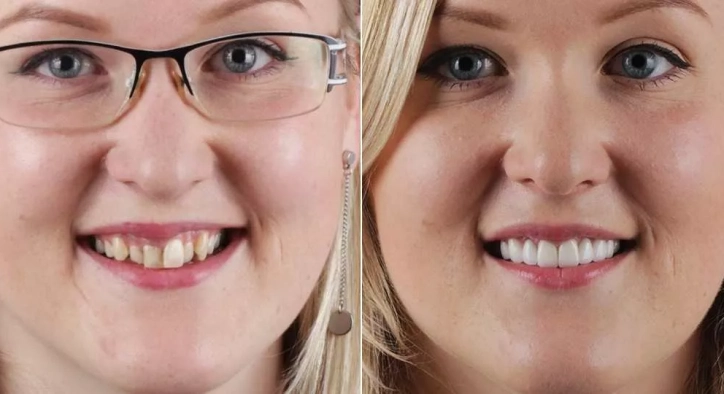
The overall balance of a beautiful smile depends on more than just the color, shape, and alignment of your teeth. The surrounding frame of soft tissue plays an equally vital role in framing your dental architecture. When soft tissue extends too far down, it can create a "gummy smile" an aesthetic concern where the teeth appear unnaturally short or uneven. Fortunately, modern cosmetic periodontics offers a permanent solution to restore these proportions through high-precision gum contouring.
At Stamboul Clinic, we treat soft tissue harmony as a key element of comprehensive digital smile design. If you are exploring options to enhance uneven margins, look into a gum contouring turkey itinerary, or understand what is gum contouring from a clinical perspective, this guide provides clear medical insights. We examine the step-by-step gum contouring procedure, analyze real gum contouring cost structures, detail the specialized gum contouring recovery timeline, and evaluate potential risks.
Table of Content
- What is Gum Contouring and Why is It Performed?
- How is the Gum Contouring Procedure Executed?
- Post-Operative Healing Phase: Navigating Gum Contouring Recovery
- Gum Contouring for Receding Gums
- Does Gum Contouring Last?
- Comparative Global Overview: Structural Cost Framework in 2026
- Understanding the Risks: Potential Complications to Keep in Mind
- Frequently Asked Questions (FAQ)
What is Gum Contouring and Why is It Performed?
To understand this treatment option clearly, let us answer a foundational question: what is gum contouring in modern cosmetic dentistry? Also clinically referred to as a gingivectomy or gingivoplasty, it is a micro-surgical procedure designed to reshape, trim, and re-contour uneven or excessive soft tissue margins.
When evaluating the underlying factors behind a gummy smile or asymmetrical tissue borders, the causes are usually genetic or developmental:
THE ANATOMICAL ROOT ARCHITECTURE:
- Hyperactive Lip Mobility: The upper lip pulls up excessively during smiles, exposing normal soft tissues.
- Altered Passive Eruption: The soft tissue fails to recede normally during adult tooth development, masking natural enamel structure.
- Maxillary Skeletal Overgrowth: An extended vertical bone development of the upper jaw bone.
- Medication-Induced Hyperplasia: Specific prescription treatments that cause soft tissues to overgrow.
How is the Gum Contouring Procedure Executed?
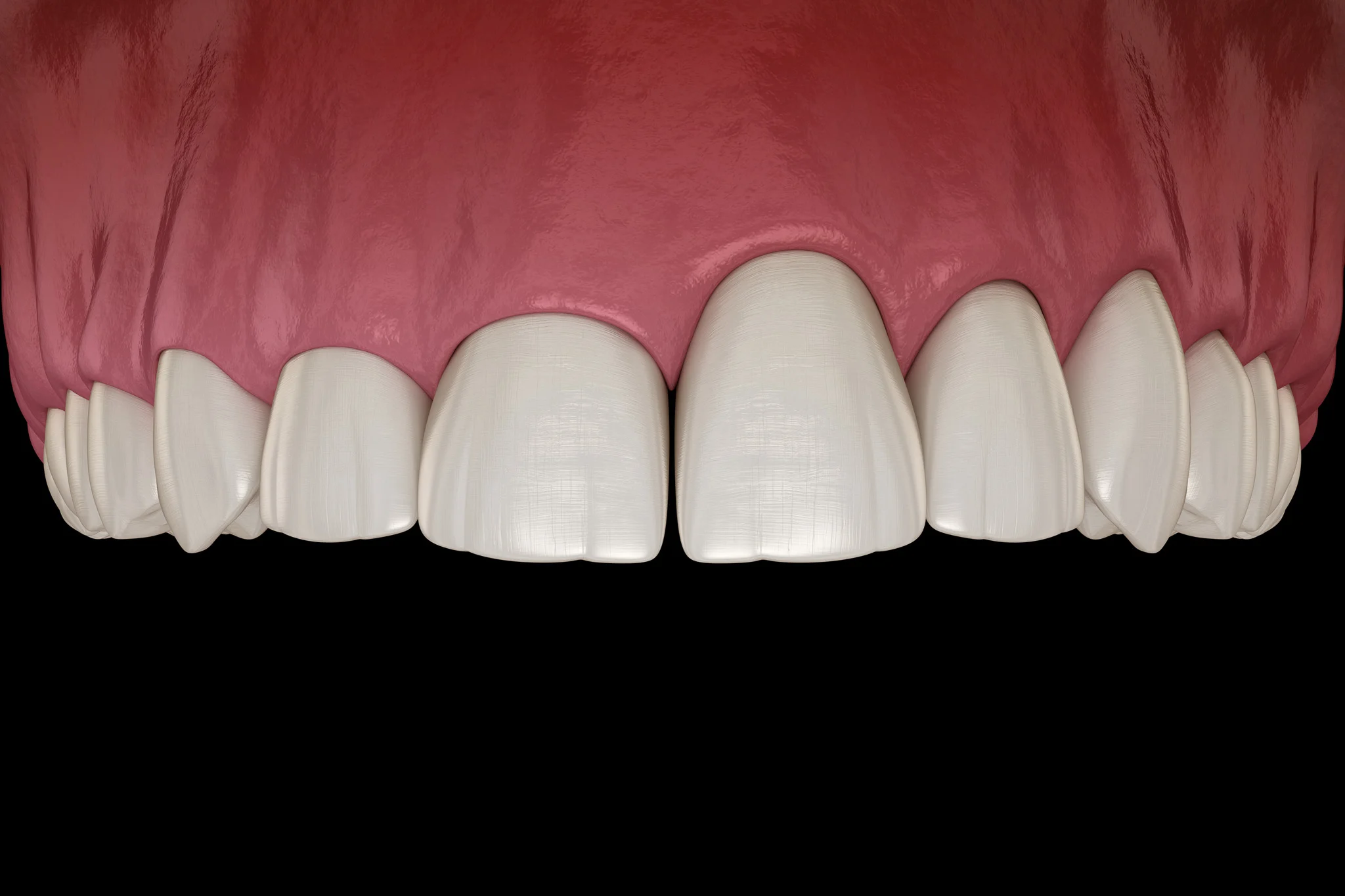
The days of using traditional manual scalpels and sutures for soft tissue remodeling are largely gone. In 2026, the gold standard for soft tissue restructuring is laser gum contouring. This advanced method provides unmatched surgical precision while minimizing damage to the surrounding healthy structures.
A standard gum contouring surgery at Stamboul follows a highly structured, digital workflow:
1. The Digital Smile Design Mapping
Our specialists analyze your smile using high-resolution intraoral scans and digital photography. We map out the exact micrometers of excess soft tissue to be adjusted, ensuring the new frame matches your natural lip line and tooth proportions.
2. Comfort Local Anesthesia Injection
Before the micro-sculpting begins, a targeted local anesthetic is applied to the area. Patients often worry and ask: does gum contouring hurt during the session? Thanks to advanced, fast-acting numbing agents, the procedure is entirely painless. You will only feel light pressure as our specialist guides the instrument.
3. Micro-Incision Sculpting and Coagulation
Using a specialized diode or Er:YAG dental laser, the excess soft tissue is gently vaporized. The energy of the laser beam cauterizes the tiny blood vessels instantly as it moves along the tissue. This completely eliminates the need for traditional stitches, minimizes localized bleeding, and significantly accelerates the early gum contouring healing phase.
Post-Operative Healing Phase: Navigating Gum Contouring Recovery
Because laser technology seals the soft tissue cuts automatically during the procedure, the initial healing phase is remarkably smooth. However, a successful gum contouring recovery still depends on proper care and gentle habits at home.
THE CHRONOLOGICAL TISSUE HEALING TIMELINE:
- [Days 1 - 3]: Acute Stage ➡️ Expect mild localized tenderness and a whitish or pink appearance at the tissue margins.
- [Days 4 - 7]: Epithelial Stage ➡️ The tissue edges stabilize; initial sensitivity drops noticeably.
- [Days 10 - 14]: Maturation Stage ➡️ The soft tissues heal completely, taking on a healthy, firm coral-pink tone.
When managing gum contouring healing at home, your daily routine must be adapted during the first week. You must avoid hot, spicy, or highly acidic foods, as well as crunchy items like chips or nuts that can scrape the sensitive margins. Brush your teeth normally but use an ultra-soft toothbrush, and avoid touching the tissue line directly. Instead, rinse gently with a prescribed alcohol-free mouthwash.
Gum Contouring for Receding Gums
While most patients request this treatment to remove excess tissue, others ask if the procedure can fix a different concern: gum contouring for receding gums.
It is important to clarify that traditional contouring removes tissue and cannot replace missing structure caused by recession. If your roots are exposed due to aggressive brushing or periodontal disease, a contouring procedure cannot move the tissue down.
Instead, exposed roots are treated using advanced periodontal root-coverage procedures, such as free gingival or connective tissue grafting. During these treatments, healthy tissue is taken from the roof of the mouth and placed over the exposed roots to restore a healthy, full appearance.
Does Gum Contouring Last?
A major consideration before choosing cosmetic treatment is its long-term durability. Prospective patients frequently ask: Does gum contouring last permanently?
Yes, the results achieved with a professional laser procedure are permanent. Once excess soft tissue is removed, it does not grow back, provided the underlying bone structure is managed correctly. In cases where the tissue thickness is driven by the shape of the underlying bone, a subtle bone recontouring (osteoplasty) is performed alongside the soft tissue work. This prevents the tissue from expanding back over the enamel, ensuring your new smile proportions stay stable for life.
Comparative Global Overview: Structural Cost Framework in 2026
The overall financial investment for soft tissue remodeling depends on the number of teeth requiring treatment, the technology used, and the location of your clinic. The table below outlines estimated gum contouring cost structures across major global destinations:
Scope of Reshaping | Average Cost in USA | Average Cost in UK / Germany | Average Cost at Stamboul (Turkey) |
Localized Adjustment (Per single tooth area) | $150 – $350 | £120 – £250 / €140 – €280 | Included in design tiers / Minimal addon |
Full Arch Contouring (Upper smile arch 6-10 teeth) | $1,500 – $3,500 | £1,200 – £2,800 / €1,400 – €3,200 | €500 – €950 (All-Inclusive Tier Package) |
Understanding the Risks: Potential Complications to Keep in Mind
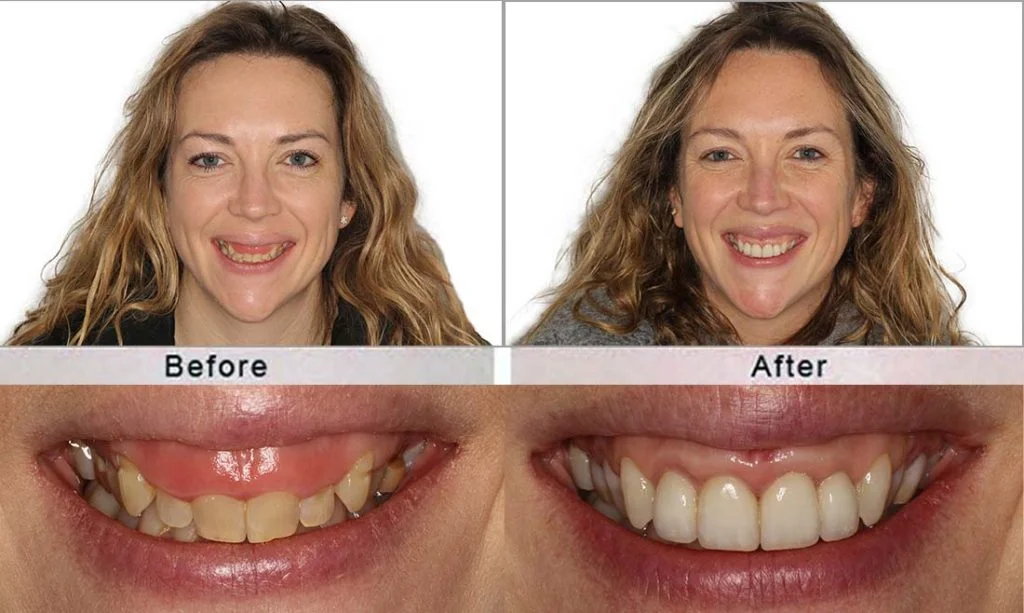
While using advanced laser systems minimizes complications, an honest clinical evaluation must address potential gum contouring risks. Choosing an inexperienced operator or neglecting aftercare instructions can lead to issues:
- Localized Tissue Asymmetry: If the initial planning does not use digital mapping, the final tissue heights may look uneven.
- Minor Secondary Bleeding: This can occur during the first 24 hours if hot liquids or hard foods disrupt the healing edges.
- Temporary Tissue Sensitivity: The treated borders may remain sensitive to cold or hot liquids for a few days post-op.
- Relapse Risk: As mentioned, if the underlying bone profile is ignored during planning, the soft tissue can slowly expand back over the tooth.
Choosing an accredited clinic and an experienced periodontal specialist is the most effective way to eliminate these risks and ensure a predictable, beautiful outcome.
Frequently Asked Questions (FAQ)
What is gum contouring?
It is a cosmetic dental treatment that utilizes advanced laser technology to trim and reshape excess or uneven soft tissue margins, revealing more of your natural tooth structure for a balanced smile.
Does the gum contouring procedure hurt?
No, the procedure is completely painless. A local anesthetic is applied before the treatment begins, ensuring you stay comfortable and only feel light pressure while the laser works.
Does gum contouring last permanently?
Yes, the results are permanent. Soft tissue that is trimmed away using advanced dental lasers does not grow back, provided the underlying bone profile is assessed and managed correctly during the procedure.
Can you use gum contouring to fix receding gums?
No. Traditional contouring removes excess tissue and cannot replace missing structure. Exposed roots from recession require restorative treatments like connective tissue grafting to restore full coverage.
Why is laser gum contouring better than standard surgery?
Laser contouring completely replaces the need for traditional scalpels and stitches. The energy of the laser cauterizes blood vessels instantly, which reduces bleeding, lowers the risk of infection, and ensures a faster recovery.
Über den Autor