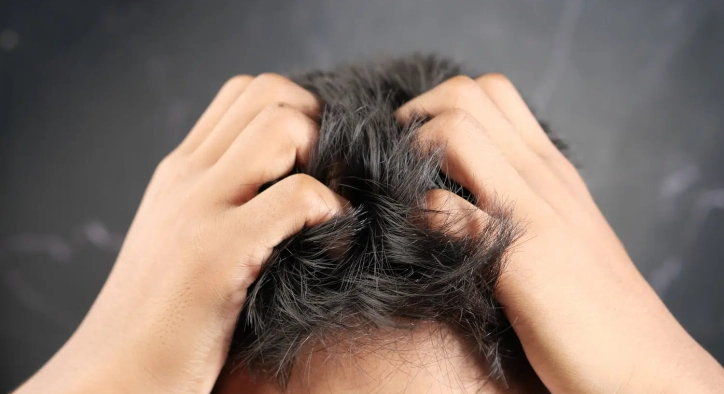
The biological timeline of micro-surgical hair restoration involves several distinct tissue-healing milestones. While managing post-operative swelling and tracking graft stability are common areas of focus during the first week, many patients face an intense, unexpected sensory challenge around day 4 to day 10: a sharp, progressive itch across the scalp. Experiencing itching after hair transplant surgery is an entirely normal, physiological sign that your skin tissue is repairing itself. However, it requires careful, strategic management to protect your new look.
At Stamboul Clinic, we maintain that knowing how to deal with itching after hair transplant irritation safely is vital for securing optimal graft survival. Scratching your healing scalp with your fingernails during the early weeks can displace the fragile hair roots, cause localized skin infections, or create transparent micro-scarring that limits hair density. This comprehensive guide details the biological reasons behind scalp irritation, answers the common question of how long itching after hair transplant sensations typically persist, highlights specific concerns like donor area itching after hair transplant recovery, and outlines surgeon-approved steps on how to stop itching after hair transplant safely without touching your hair.
Table of Content
- Why Does Your Scalp Feel Irritated After Surgery? The Cellular Causes
- How Long Itching After Hair Transplant Sensations Last?
- Donor Area Itching After Hair Transplant Recovery
- How to Get Rid of Itching After Hair Transplant Irritation Safely?
- What Not to Do: Critical Restraints to Protect Your Hair Grafts
- Itching Causes, Timelines and Relief Actions
- Frequently Asked Questions (FAQ)
- Why does my scalp itch so intensely after a hair transplant?
- How long does itching last after hair transplant surgery?
- How can I stop itching after hair transplant recovery safely?
- Can scratching my itchy scalp cause my hair transplant to fail?
- What should I do if I get itchy pimples on my scalp a few months after surgery?
Why Does Your Scalp Feel Irritated After Surgery? The Cellular Causes
To manage this symptom effectively, let us look at the physiological factors that trigger an itchy scalp during recovery. Understanding what to do for itching after hair transplant irritation depends entirely on identifying the phase of your tissue recovery.
THE ITCHING TRIGGERS AND BIOLOGICAL PATHWAYS:
- [Histamine Release]: Micro-scabs dry out and tighten ➡️ Mast cells release histamine ➡️ Early localized itching.
- [Nerve Regeneration]: Micro-punches temporarily disrupt fine nerves ➡️ Neurons fire randomly as they heal ➡️ Deep phantom itch.
- [Dry Skin Texture]: Avoiding standard washing routines alters sebum production ➡️ Scalp surface becomes dry and flaky.
- [Early Folliculitis]: Bacterial blockages occur inside the healing pores ➡️ Red, pimple-like bumps form.
The irritation usually stems from two distinct biological processes. The early, superficial itch (occurring during days 4 to 10) happens as the tiny micro-scabs around the Sapphire FUE or DHI incisions dry out, tighten, and prepare to flake away. This tightening triggers your mast cells to release histamine, creating a noticeable urge to scratch.
The later, deeper itch (occurring between week 2 and week 6) is driven by nerve regeneration. As the microscopic extraction punches and recipient incisions heal, the fine cutaneous nerve endings that were temporarily disrupted begin to repair themselves, sending random sensory signals to your brain that feel like a continuous "phantom" itch.
How Long Itching After Hair Transplant Sensations Last?
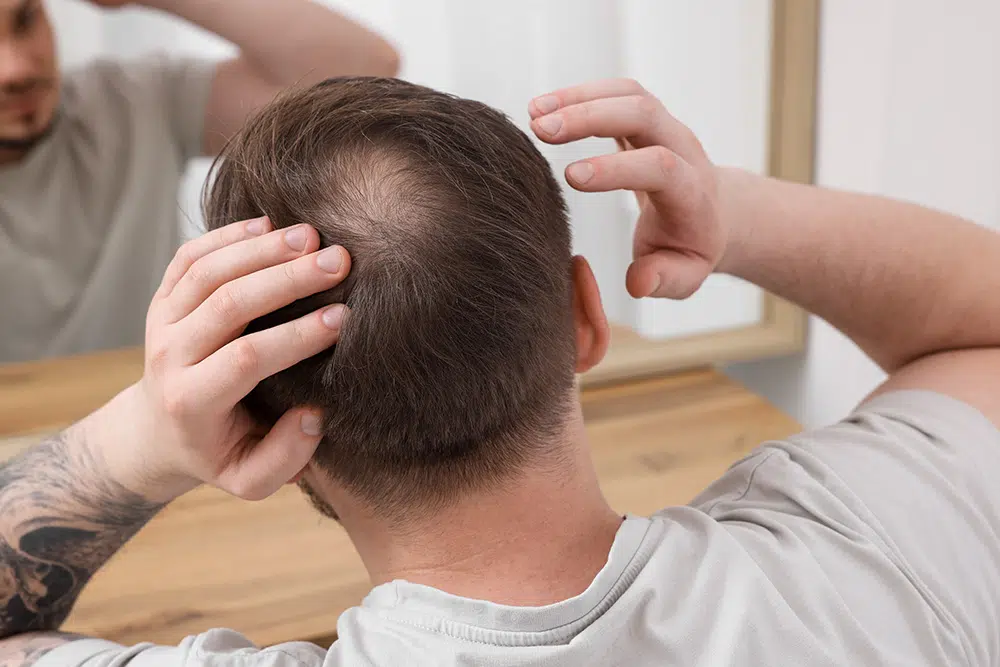
When preparing for their recovery timeline, international patients routinely ask our medical coordinators: how long itching after hair transplant discomfort is expected to persist across their calendar?
For the vast majority of patients, the most intense, challenging window occurs during the first two weeks, specifically peaking between day 5 and day 12 when the micro-scabs are fully formed. Once the scabs flake away naturally during your specialized foaming washes, the superficial irritation drops significantly.
However, mild, sporadic itching driven by deep nerve regeneration can continue in waves up to week 6 before your scalp tissue returns completely to its normal baseline comfort.
Donor Area Itching After Hair Transplant Recovery
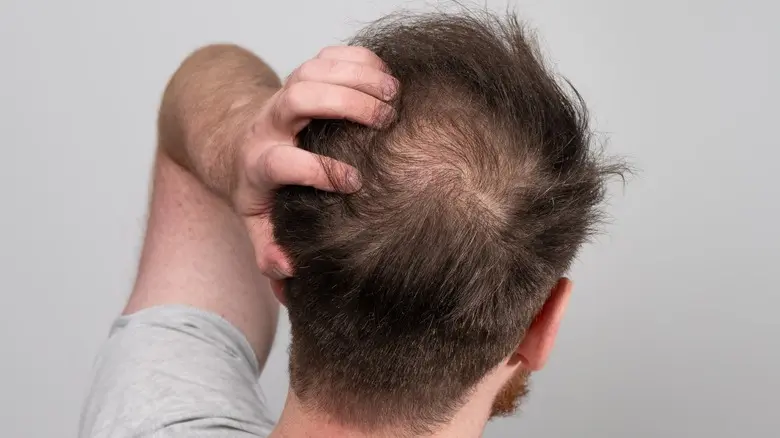
While patients naturally focus on protecting the new hairs along their front hairline, the back of the head often presents the strongest urge to scratch. Experiencing donor area itching after hair transplant extractions is a very common concern.
Because the donor zone undergoes thousands of microscopic punch extractions to harvest the needed graft load, the density of healing micro-wounds across this area is exceptionally high. As these extraction points close and form tiny scabs, the skin tissue contracts significantly, creating a tight, dry, and intensely itchy sensation.
Furthermore, as the native hair strands begin to grow back through the healing tissue, they can puncture the dry surface layer, adding to the localized irritation.
How to Get Rid of Itching After Hair Transplant Irritation Safely?
When dealing with intense scalp irritation, knowing how to control itching after hair transplant recovery without using your fingernails is essential for protecting your investment. Our specialists implement a series of gentle, non-mechanical relief steps:
THE NON-MECHANICAL RELIEF PROTOCOL:
- Step 1: Apply Sterile Saline Spray ➡️ Mist the area every 30 minutes to hydrate dry tissue and calm histamines.
- Step 2: Gentle Aloe Vera Application ➡️ Apply pure aloe gel to the donor area ONLY to soothe tight skin.
- Step 3: Administer Antihistamines ➡️ Take prescribed oral medications to block itch signals at the source.
- Step 4: Use a Cold External Compress ➡️ Place an ice pack wrapped in a clean towel on your forehead or neck.
If you find yourself wondering how to get rid of itching after hair transplant irritation during the night, the solution involves combining medical support with smart sleeping habits. Taking a prescribed, non-drowsy oral antihistamine (such as Cetirizine or Loratadine) before bed effectively blocks histamine receptors, lowering the urge to scratch while you rest.
Additionally, using your custom foaming shampoo carefully and letting the warm, low-pressure water rinse the scabs away gently helps clear the organic debris that causes irritation. If the itch becomes unbearable, you can use the clean, flat pads of your fingers to press very lightly down on the scalp—never rub, drag, or scratch the skin.
What Not to Do: Critical Restraints to Protect Your Hair Grafts
Knowing how to care for an itchy scalp is just as important as knowing what activities can compromise your final hair density. Avoiding these high-risk actions is crucial for a successful recovery:
- No Direct Scratching or Picking: Never scratch, pick, or rub the micro-scabs with your fingernails. Doing so can tear the fragile hair roots completely out of their new tissue beds, leading to permanent bald patches.
- Avoid Overheating and Sweat Accumulation: Stay away from saunas, steam rooms, or heavy workouts for the first 14 days. Trapping sweat and bacteria against healing skin increases irritation and can trigger folliculitis.
- Do Not Use Harsh Anti-Dandruff Shampoos: Avoid buying over-the-counter anti-dandruff or medicated shampoos without consulting your doctor. These formulas often contain harsh chemicals like zinc pyrithione or ketoconazole, which can dry out and irritate your healing skin further.
- Keep Out of Direct, Unprotected Sunlight: Do not expose your healing scalp to direct sunlight for extended periods during the first month. Sunburn damages sensitive skin and worsens post-op inflammation.
Itching Causes, Timelines and Relief Actions
The table below outlines the expected phases of post-operative scalp irritation, detailing the underlying biological causes and the safest relief steps:
Post-Op Timeline | Primary Location of Itch | Underlying Biological Cause | Recommended Safe Relief Actions |
Days 4 – 10 | Recipient & Donor Zones | Micro-scabs drying out, initial histamine release | Spray sterile saline mist, take prescribed oral antihistamines |
Days 11 – 14 | Full Scalp Area | Scabs flaking away, dry skin texture from washings | Continue gentle foaming washes, use pure aloe gel on the donor area |
Weeks 3 – 6 | Deep Dermal Layers | Cutaneous nerve fiber regeneration and repair | Apply light, flat finger pressure (no rubbing), keep well hydrated |
Month 2+ | Localized Small Areas | Early folliculitis (minor ingrowing hair bumps) | Apply a warm, damp compress; consult your clinic for advice |
Frequently Asked Questions (FAQ)
Why does my scalp itch so intensely after a hair transplant?
Itching is a natural part of the healing process. It occurs as the micro-scabs dry out and contract, releasing histamines, and as the fine nerve endings in the skin begin to repair themselves.
How long does itching last after hair transplant surgery?
The most intense irritation typically lasts for the first 10 to 14 days while scabs are present. Deeper, occasional itching from nerve healing can continue in mild waves up to week 6 before clearing completely.
How can I stop itching after hair transplant recovery safely?
You can control the irritation by spraying a sterile saline mist over the area, taking prescribed oral antihistamines before bed, using pure aloe vera gel exclusively on the donor area, and performing your foaming washes gently.
Can scratching my itchy scalp cause my hair transplant to fail?
Yes, absolutely. Scratching or picking at the scabs during the first 10 days can pull the fragile hair roots completely out of the skin, causing permanent graft loss, bleeding, and low final density.
What should I do if I get itchy pimples on my scalp a few months after surgery?
Small, pimple-like bumps that appear around month 2 or 3 are usually signs of mild folliculitis, which happens as new hairs attempt to break through the skin. Apply a warm, damp compress to the area and contact your clinic for guidance.
Über den Autor