Oral health is often associated with brushing and flossing, yet one stubborn issue continues to challenge many people: Tartar. Once dental plaque hardens, it becomes Tartar, a mineralized layer that adheres tightly to tooth enamel and gum lines. Because Tartar forms gradually, many individuals only notice it when the teeth begin to look yellowish or feel rough.
Understanding how Tartar forms and exploring ways people attempt to remove Tartar at home has become a widely searched topic. While professional dental cleaning is the standard method for removing hardened deposits, discussions around natural approaches, oral hygiene habits, and preventive routines continue to grow.
Rather than providing medical advice, this article aims to explain the science, the myths, and the practical hygiene habits connected to Tartar management.
İçindekiler
- What Is Tartar and Why Does It Form on Teeth?
- Signs That Tartar Has Built Up on Teeth
- Natural Methods People Use to Reduce Tartar Buildup
- Oral Hygiene Habits That Help Prevent Tartar Formation
- Foods That May Influence Tartar Accumulation
- The Difference Between Plaque and Tartar
- Scientific Research on Tartar Control
- Understanding the Limits of At Home Tartar Removal
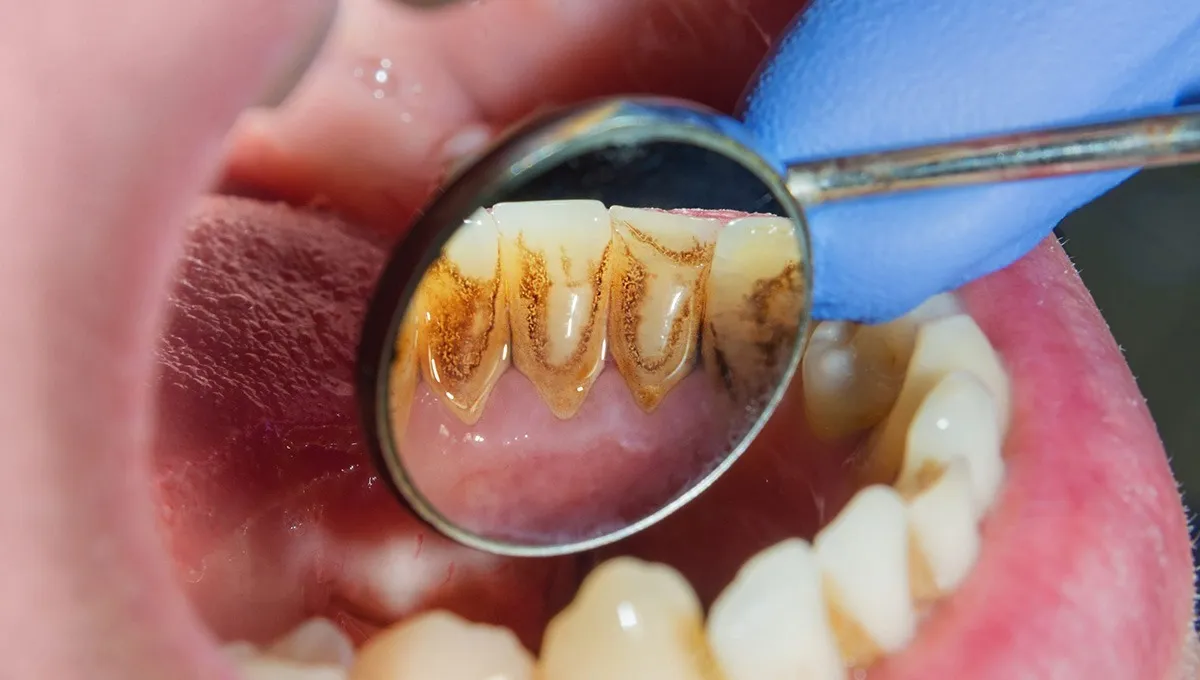
What Is Tartar and Why Does It Form on Teeth?
Before discussing ways people try to remove Tartar, it helps to understand how Tartar actually forms. Every day, the mouth hosts hundreds of bacterial species that interact with food particles and saliva. When these bacteria combine with sugars and proteins, they form a sticky film known as dental plaque.
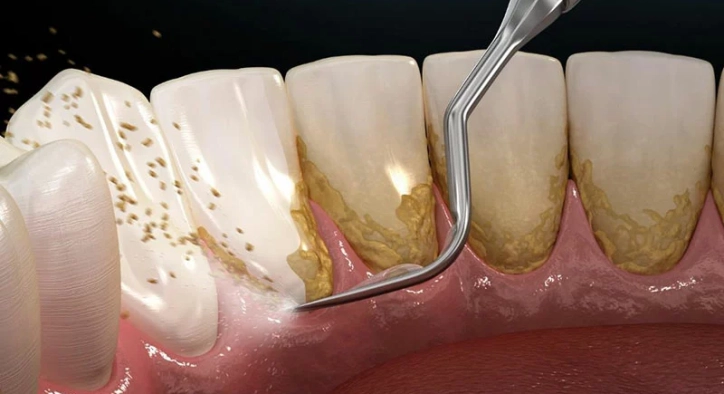
If plaque remains on the teeth long enough, minerals from saliva begin to harden it. This process turns plaque into Tartar, also called dental calculus. Unlike plaque, which can usually be removed through brushing, Tartar attaches firmly to enamel and becomes far more resistant to daily oral care routines.
Researchers studying oral microbiology have observed that Tartar commonly forms near the gum line and between teeth where plaque tends to accumulate. Over time, the rough surface of Tartar can attract even more plaque, creating a cycle where buildup increases gradually.
This process explains why many people look for methods that may reduce or loosen Tartar deposits outside of professional dental environments.
Signs That Tartar Has Built Up on Teeth
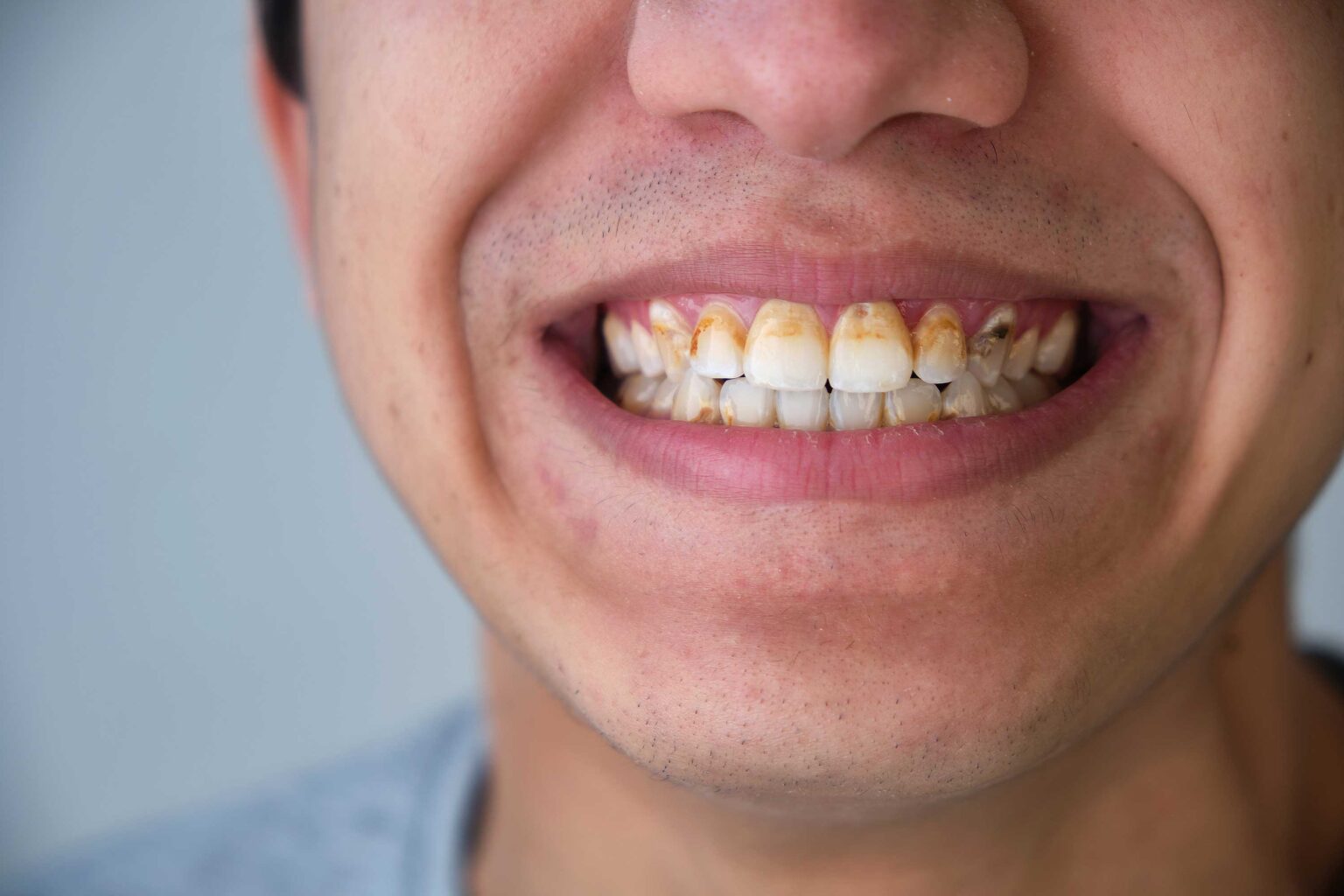
Recognizing the early appearance of Tartar can help individuals better understand changes happening in their oral environment. Although Tartar itself is not always painful, it often produces visible or tactile clues.
Common observations associated with Tartar buildup include:
- Yellow, brown, or slightly dark stains along the gum line
- Teeth feeling rough even after brushing
- Visible hardened layers near the back teeth
- A persistent film that does not disappear with regular brushing
- Increased discoloration between teeth
Studies in preventive dentistry suggest that Tartar tends to accumulate faster in areas where saliva ducts release minerals, such as behind the lower front teeth and near the upper molars. Because Tartar becomes firmly attached to enamel, many people begin searching for ways to manage or soften Tartar at home before it becomes extensive.
Natural Methods People Use to Reduce Tartar Buildup
When discussing how to remove Tartar without a dentist, many home care practices appear repeatedly in oral hygiene discussions. These methods are generally described as preventive or supportive rather than definitive solutions.
1. Baking Soda Brushing
Baking soda is often mentioned in oral care research because of its mild abrasive properties. Some studies suggest that brushing with baking soda may help disrupt plaque layers before they transform into Tartar.
The slightly alkaline nature of baking soda may also help balance oral pH levels, making the environment less favorable for plaque bacteria. However, its ability to remove hardened Tartar remains debated among dental researchers.
2. Oil Pulling
Oil pulling is a traditional oral hygiene practice that involves swishing oils such as coconut or sesame oil in the mouth for several minutes. Advocates suggest that oil pulling may reduce bacterial levels in plaque and potentially slow Tartar formation.
While scientific evidence is still developing, some small-scale studies indicate that oil pulling could influence oral microbial balance.
3. Improved Brushing Techniques
Sometimes the most overlooked strategy against Tartar is simply refining brushing habits. Dentists frequently note that brushing technique can influence how much plaque remains on teeth.
Common recommendations include:
- Brushing for at least two minutes
- Using soft circular motions along the gum line
- Cleaning the back surfaces of molars
- Replacing toothbrushes regularly
Although improved brushing cannot easily remove hardened Tartar, it may reduce additional buildup.
Oral Hygiene Habits That Help Prevent Tartar Formation
Rather than focusing entirely on removing Tartar, many dental experts emphasize prevention. Once plaque mineralizes into Tartar, removing it becomes significantly more difficult.
Below is a table summarizing oral hygiene practices commonly associated with lower plaque accumulation.
Oral Hygiene Habit | How It Influences Plaque and Tartar |
Daily flossing | Helps remove plaque between teeth where Tartar often begins |
Antibacterial mouthwash | May reduce bacterial activity involved in plaque formation |
Electric toothbrush use | Research suggests improved plaque disruption |
Reduced sugar intake | Limits bacterial food sources |
Regular hydration | Supports saliva flow that naturally cleans teeth |
Saliva itself plays an important role in oral health. It contains calcium and phosphate ions that contribute to enamel strength, yet those same minerals also participate in the formation of Tartar when plaque is present.
Foods That May Influence Tartar Accumulation
Dietary habits can indirectly affect how quickly Tartar appears on teeth. Some foods encourage plaque formation, while others may help stimulate saliva production and mechanical cleaning.
Foods often associated with increased plaque activity include:
- Sugary beverages
- Sticky candies
- Highly processed carbohydrates
Conversely, crunchy fruits and vegetables like apples, celery, and carrots are sometimes described as “natural toothbrushes.” Their fibrous texture may help remove soft plaque layers before they harden into Tartar.
It is important to understand that diet alone cannot eliminate Tartar, but nutritional habits may influence the oral environment in which Tartar develops.
The Difference Between Plaque and Tartar
Many people use plaque and Tartar interchangeably, yet they represent different stages of the same process. Understanding this distinction is essential when discussing home care strategies.
Feature | Dental Plaque | Tartar |
Texture | Soft and sticky | Hard and mineralized |
Removal | Brushing and flossing | Usually requires professional tools |
Formation Time | Forms within hours | Develops after plaque hardens |
Appearance | Colorless or pale | Yellow or brown deposits |
Because Tartar forms when plaque remains on teeth long enough to mineralize, preventing plaque accumulation is often considered the most reliable way to control Tartar.
Scientific Research on Tartar Control
Modern dentistry continues to investigate methods that may influence Tartar formation. Toothpastes containing pyrophosphates, zinc salts, or triclosan have been studied for their ability to slow mineralization processes associated with Tartar.
These compounds are sometimes described as “anti calculus agents” because they may interfere with the crystallization process that transforms plaque into Tartar. However, their effectiveness varies depending on individual oral conditions, brushing habits, and diet.
Research institutions studying dental biofilms emphasize that Tartar is not simply a cosmetic issue. Its porous structure can harbor bacterial colonies, which is why many oral hygiene discussions focus on managing plaque before it turns into Tartar.
Understanding the Limits of At Home Tartar Removal
Although many guides discuss removing Tartar without professional assistance, dental literature consistently highlights that hardened Tartar adheres strongly to enamel surfaces.
Professional dental instruments used during scaling procedures are specifically designed to detach Tartar without damaging enamel. Home remedies, by contrast, generally focus on preventing plaque from reaching the stage where Tartar forms.
For this reason, many conversations about Tartar removal outside dental clinics revolve around maintenance habits rather than complete removal.
Understanding these limitations helps people approach oral hygiene practices with realistic expectations.
The topic of removing Tartar without visiting a dentist has attracted growing interest as more people search for practical ways to maintain oral hygiene at home. While numerous techniques are discussed online, scientific understanding suggests that prevention plays the most significant role in controlling Tartar accumulation.
Daily brushing, flossing, balanced nutrition, and consistent oral hygiene habits can help manage plaque before it hardens into Tartar. At the same time, ongoing dental research continues to explore products and practices that may influence how Tartar forms in the oral environment.
Ultimately, learning about the biology of Tartar, recognizing its early signs, and maintaining strong hygiene routines allows individuals to better understand how oral health evolves over time.
For readers seeking reliable dental knowledge and modern treatment insights, Stamboul Clinic continues to share educational resources that explore the science behind everyday oral health questions.
About the Author