A Hair Transplant is widely recognized as one of the most effective solutions for restoring hair density and confidence. Yet the procedure itself represents only the beginning of the journey. What happens after a Hair Transplant can significantly influence the long term success of the treatment. Patients often focus on the surgical phase, but the recovery period plays a crucial role in protecting newly implanted grafts and supporting natural hair growth.
Clinics such as Stamboul Clinic emphasize that understanding post procedure care helps patients maintain the integrity of their Hair Transplant results. The scalp undergoes a healing process during the weeks following the procedure, and proper habits during this period can influence graft survival, hair follicle stability, and the overall aesthetic outcome.
İçindekiler
- The First 48 Hours After a Hair Transplant
- Washing and Scalp Care After a Hair Transplant
- Physical Activity and Exercise After Hair Transplant Procedures
- Sun Exposure and Environmental Factors After Hair Transplant
- Understanding the Hair Shedding Phase After a Hair Transplant
- Lifestyle Habits That May Influence Hair Transplant Results
- Monitoring Hair Transplant Progress Over Time
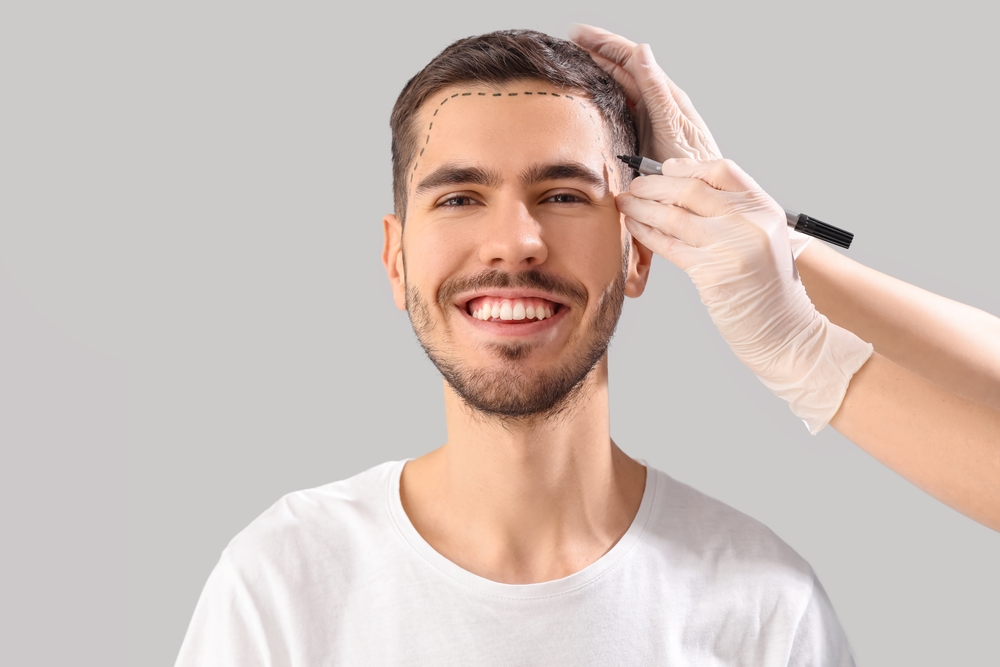
The First 48 Hours After a Hair Transplant
The first two days following a Hair Transplant are considered the most delicate phase of recovery. During this time, the transplanted follicles are still adapting to their new location in the scalp. Each graft implanted during the Hair Transplant procedure contains living follicular tissue that requires time to secure itself within the scalp.
Because of this sensitivity, specialists often highlight the importance of minimizing physical contact with the treated area after a Hair Transplant. Patients are typically advised to avoid touching, scratching, or rubbing the scalp. Even light pressure may disturb graft placement during the early hours of a Hair Transplant recovery period.
Sleep positioning is another aspect often discussed. Many individuals who undergo a Hair Transplant choose to sleep with their head slightly elevated during the first nights. This approach may help reduce swelling and support scalp circulation during the initial stages of Hair Transplant healing.
Environmental exposure is also considered important. Dust, sweat, and direct sunlight can irritate the scalp after a Hair Transplant. Maintaining a clean environment and avoiding crowded or polluted areas may help reduce unnecessary irritation during early Hair Transplant recovery.
Washing and Scalp Care After a Hair Transplant
One of the most frequently discussed topics after a Hair Transplant is when and how to wash the hair. Scalp hygiene plays an essential role in preventing crust formation and supporting the natural healing process following a Hair Transplant procedure.
Most modern Hair Transplant techniques such as FUE involve tiny incisions that gradually close within several days. During this period, gentle washing routines are often introduced. Rather than vigorous rubbing, specialists commonly recommend soft application methods that protect Hair Transplant grafts.
The goal of careful washing after a Hair Transplant is to keep the scalp clean while maintaining graft stability. Excessive pressure or harsh shampoos may disturb follicles during the early phase of Hair Transplant recovery.
Below is a simplified overview of typical washing considerations after a Hair Transplant.
Recovery Stage | Scalp Care Focus | Purpose |
Day 1 to 3 | Minimal contact | Protect newly implanted grafts |
Day 4 to 7 | Gentle washing | Reduce scabs and support healing |
Week 2 onward | Normal hygiene gradually | Stabilize Hair Transplant follicles |
These practices aim to support the natural adjustment of transplanted follicles after a Hair Transplant.
Physical Activity and Exercise After Hair Transplant Procedures
Physical activity is another topic that frequently arises in discussions about Hair Transplant recovery. Exercise increases blood circulation and body temperature, which may influence the scalp during the early days following a Hair Transplant procedure.
Because sweating can irritate the healing scalp, many clinics advise limiting intense physical activity shortly after a Hair Transplant. Activities such as heavy weightlifting, high intensity workouts, or contact sports may create unnecessary pressure on Hair Transplant grafts.
However, light movement such as gentle walking is often considered acceptable after a Hair Transplant. Moderate circulation may support general recovery without placing strain on newly implanted follicles.
Researchers studying Hair Transplant recovery frequently note that gradual return to physical routines helps maintain comfort and protects the integrity of transplanted grafts. Patients who respect recovery timelines often experience smoother Hair Transplant healing phases.
Sun Exposure and Environmental Factors After Hair Transplant
Sunlight exposure is another factor that can influence the healing process following a Hair Transplant. Newly transplanted follicles are more sensitive to ultraviolet radiation during the early weeks of recovery.
Prolonged sun exposure may irritate the scalp after a Hair Transplant and potentially increase redness or dryness. For this reason, many specialists recommend limiting direct sunlight during the early stage of Hair Transplant recovery.
Protective habits frequently discussed include:
- Avoiding long periods under strong sunlight
- Wearing loose protective headwear if necessary
- Staying in shaded environments during peak sun hours
These measures aim to protect the scalp environment in which the Hair Transplant grafts are adapting.
Environmental factors such as wind, pollution, and extreme temperatures may also affect the comfort level of individuals recovering from a Hair Transplant. Maintaining stable conditions can help the scalp heal without unnecessary irritation.
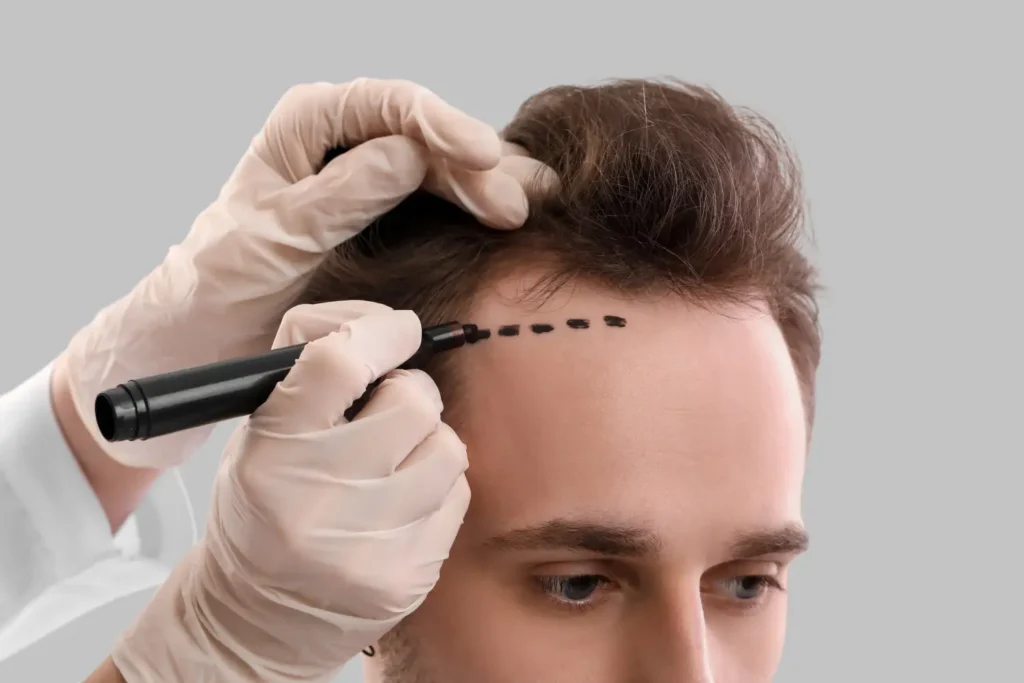
Understanding the Hair Shedding Phase After a Hair Transplant
Many patients feel concerned when hair shedding occurs several weeks after a Hair Transplant. However, this stage is widely recognized as a common part of the Hair Transplant growth cycle.
During the weeks following a Hair Transplant, transplanted follicles may temporarily shed the visible hair shaft. This phenomenon is often referred to as shock loss. Although the hair falls out, the follicle remains alive beneath the scalp after the Hair Transplant procedure.
The shedding stage is considered a natural transition before new growth begins. Research on Hair Transplant outcomes suggests that follicles enter a resting phase before producing new hair fibers.
This process may vary from person to person. Some individuals notice new growth within a few months of their Hair Transplant, while others experience a slightly longer timeline before visible density appears.
Understanding this cycle helps patients maintain realistic expectations during the Hair Transplant recovery journey.
Lifestyle Habits That May Influence Hair Transplant Results
Lifestyle choices can indirectly affect the appearance of Hair Transplant results over time. While the procedure itself relocates hair follicles, the long term condition of the scalp environment still plays a role in maintaining natural looking growth after a Hair Transplant.
Nutrition is often mentioned in discussions related to hair health. Balanced diets that include vitamins, minerals, and protein contribute to the natural structure of hair fibers that emerge after a Hair Transplant.
Hydration and sleep patterns may also influence the body's healing capacity following a Hair Transplant procedure. Restful recovery allows the scalp to complete its natural regenerative processes.
Certain habits are sometimes discussed when evaluating Hair Transplant outcomes:
- Maintaining balanced nutrition
- Avoiding excessive scalp irritation
- Supporting overall scalp health
Although these factors do not replace medical guidance, they are frequently mentioned in broader discussions about maintaining Hair Transplant results.
Monitoring Hair Transplant Progress Over Time
Hair growth following a Hair Transplant is typically gradual rather than immediate. Unlike cosmetic treatments that provide instant results, the follicles implanted during a Hair Transplant must reenter their natural growth cycle.
During the months after a Hair Transplant, patients often notice progressive changes in density, thickness, and coverage. Early stages may appear subtle, but follicles gradually produce stronger hair strands as the Hair Transplant healing phase advances.
Many clinics track Hair Transplant progress using follow up consultations or photographic comparisons. These evaluations help illustrate how transplanted follicles mature over time.
Understanding the timeline associated with a Hair Transplant can reduce anxiety and help patients appreciate the biological process behind hair regrowth.
A Hair Transplant represents more than a single cosmetic procedure. It is a multi stage process that includes surgery, healing, follicle adaptation, and long term hair growth. The precautions taken during recovery play an essential role in supporting the outcome of a Hair Transplant.
From careful scalp hygiene to managing environmental exposure, each step in the recovery phase contributes to protecting transplanted follicles. Clinics such as Stamboul Clinic often highlight that informed patients tend to navigate the Hair Transplant recovery journey with greater confidence.
While individual experiences may vary, understanding the recovery process can help individuals appreciate how a Hair Transplant evolves over time. With patience, awareness, and responsible aftercare habits, the results of a Hair Transplant procedure can gradually reveal fuller and more natural looking hair.
About the Author