When it comes to restoring your smile and ensuring successful dental implants, understanding the role of a bone graft becomes essential. This specialized procedure has transformed modern dentistry, offering solutions for patients who previously might not have qualified for certain treatments.
The journey toward dental restoration often requires more than just placing an implant. Your jawbone needs adequate density and volume to support new teeth, and this is precisely where bone grafting procedures come into play. Whether you're considering dental implants or addressing bone loss from periodontal disease, this comprehensive guide will walk you through every aspect of the process.
İçindekiler
- Understanding What a Bone Graft Actually Is
- Why You Might Need Bone Grafting for Dental Work
- Different Types of Bone Graft Materials Available
- The Bone Graft Procedure: What Actually Happens
- Recovery and Healing Timeline After Bone Grafting
- Success Factors and Potential Complications
- Cost Considerations and Treatment Planning
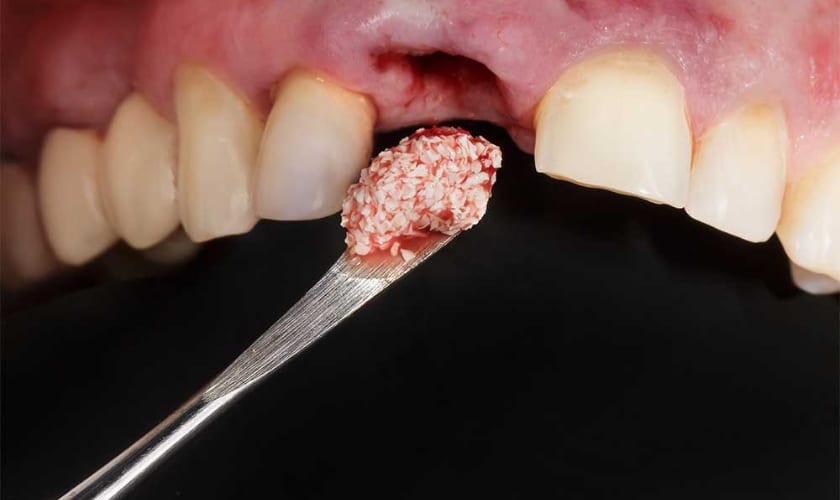
Understanding What a Bone Graft Actually Is
A dental bone graft represents a surgical procedure where your dentist or oral surgeon adds bone material to your jaw. Think of it as laying a strong foundation before building a house. The grafting material can come from various sources, and each type serves the same fundamental purpose: encouraging your natural bone to regenerate and grow.
The procedure might sound intimidating, but it's become one of the most routine operations in dental practices worldwide. The grafting material acts as a scaffold, providing structure while your body works its natural magic. Over time, your own bone cells migrate to the graft site, gradually replacing the temporary material with strong, healthy bone tissue. This biological process, called osteogenesis, typically takes several months but results in a stable foundation for future dental work.
Why You Might Need Bone Grafting for Dental Work
Several situations might lead your dental professional to recommend a bone graft procedure. Tooth loss stands as the primary culprit, as your jawbone begins deteriorating when teeth are missing. Without the stimulation that tooth roots provide, the surrounding bone essentially "shrinks away" through a process called resorption.
Periodontal disease represents another common reason for bone grafting. When gum disease advances to severe stages, it destroys the bone supporting your teeth, creating pockets and instability. Additionally, trauma from accidents or injuries can damage jawbone structure, requiring reconstruction before any restorative work can proceed. Some individuals also experience congenital defects or abnormalities that affect bone development, making grafting necessary for proper dental function.
Ridge augmentation procedures often incorporate bone grafting techniques when preparing sites for implants. If you've worn dentures for extended periods, you might have experienced significant bone loss, making grafts essential before transitioning to implant-supported restorations.
Different Types of Bone Graft Materials Available
Understanding the various materials used in bone grafting helps you make informed decisions about your treatment. Autografts use bone harvested from your own body, typically from the chin, jaw, or hip. This option offers the highest success rates because your body recognizes the material as its own, reducing rejection risks.
Allografts utilize bone from human donors, carefully processed and sterilized to ensure safety. Many patients prefer this option as it eliminates the need for a second surgical site. Xenografts come from animal sources, usually bovine, and undergo extensive processing to remove organic components while preserving the mineral structure.
Synthetic bone graft materials have gained popularity in recent years. These laboratory-created substances mimic natural bone properties and offer consistent quality. Some dentists combine different materials to optimize results, tailoring the approach to your specific needs. The choice depends on factors including the grafting location, amount of bone needed, and your overall health status.
The Bone Graft Procedure: What Actually Happens
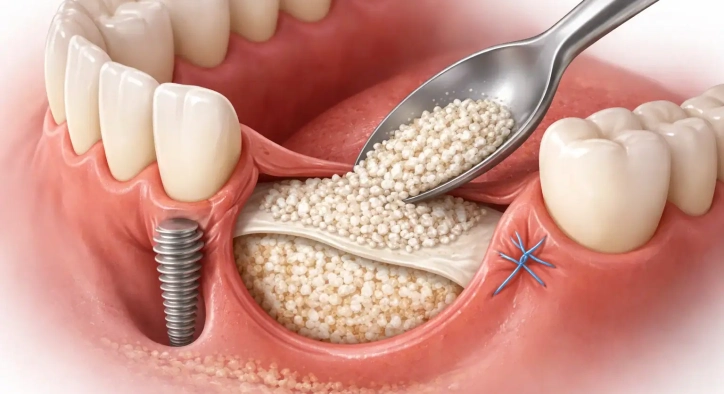
Walking into your appointment with knowledge about what to expect can significantly reduce anxiety. The procedure typically begins with local anesthesia, though sedation options are available for anxious patients or extensive grafting work. Your dental surgeon makes a small incision in your gum tissue, exposing the bone beneath.
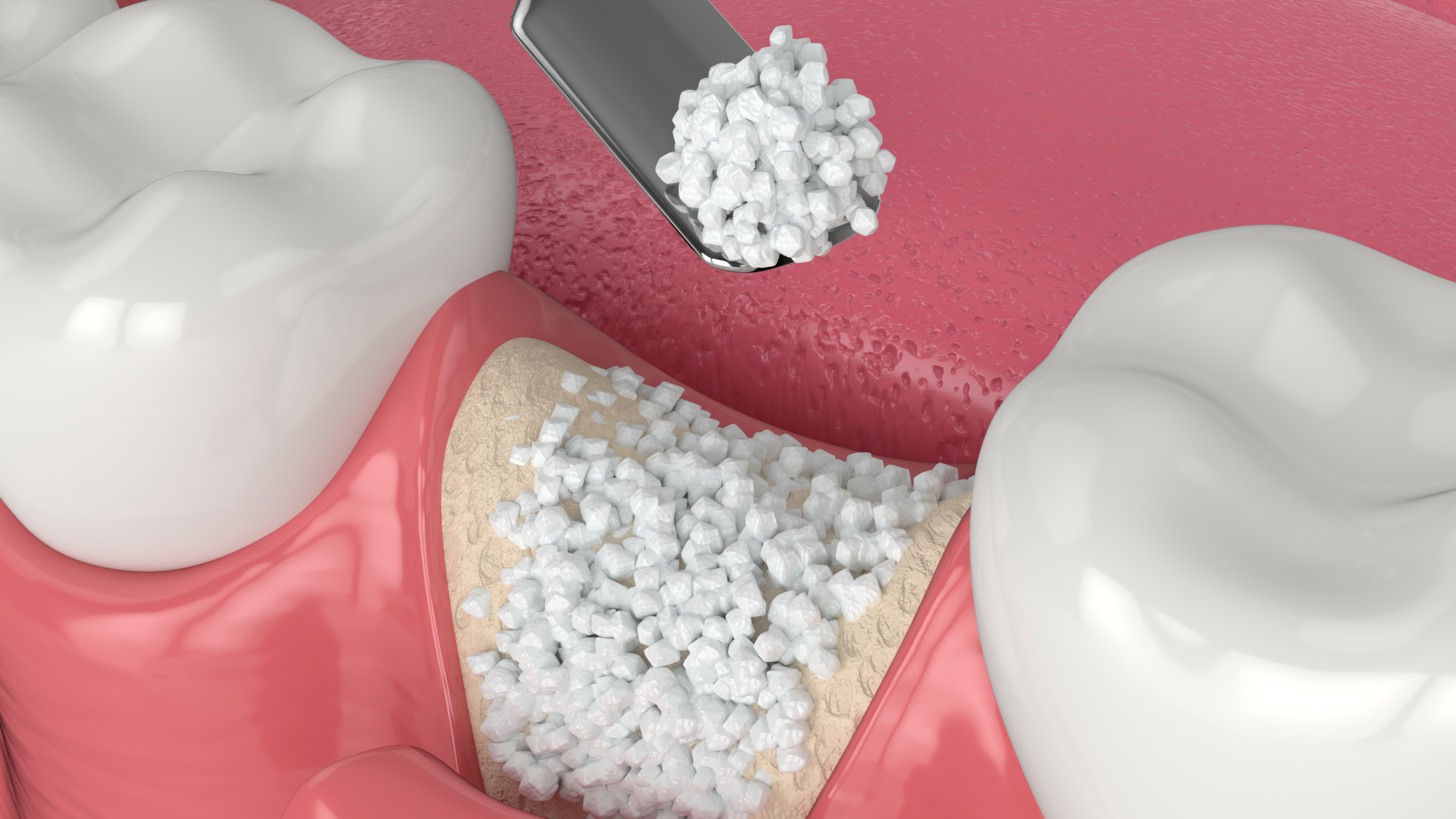
After preparing the site, the surgeon places the grafting material carefully into position. The material might be shaped like putty, granules, or blocks, depending on the type selected. A membrane often covers the graft, protecting it and encouraging proper healing. Finally, the gum tissue is sutured closed, and you receive detailed aftercare instructions.
The entire process usually takes between 30 minutes to several hours, depending on complexity. Most patients report minimal discomfort during the procedure itself, though some pressure sensations are normal. Advanced techniques and materials have made modern bone graft procedures more predictable and comfortable than ever before.
Recovery and Healing Timeline After Bone Grafting
Your body's healing journey begins immediately after the procedure, though visible results take time. Initial healing of the soft tissues typically occurs within two weeks, during which you'll need to follow specific dietary restrictions and oral hygiene protocols. Avoiding the surgical site while brushing and eating soft foods helps prevent complications.
Bone integration represents the lengthier phase, generally requiring three to six months for minor grafts. Larger reconstructions might need up to nine months before the site is ready for implant placement. During this period, your natural bone gradually replaces the graft material, creating a solid foundation.
Regular follow-up appointments allow your dental team at Stamboul Clinic to monitor progress through clinical examinations and imaging. Some swelling and discomfort in the first few days is expected, manageable with prescribed medications. Most patients return to normal activities within a week, though strenuous exercise should wait until your dentist gives clearance.
The American Dental Association provides extensive resources about bone grafting recovery, and the International Congress of Oral Implantologists offers evidence-based guidelines for post-operative care.
Success Factors and Potential Complications
Success rates for dental bone grafting procedures are impressively high, typically ranging between 90-95% when performed by experienced surgeons. Several factors influence outcomes, starting with patient compliance with aftercare instructions. Smoking significantly decreases success rates as it impairs blood flow and healing capacity.
Your overall health status plays a crucial role too. Conditions like uncontrolled diabetes or autoimmune disorders can complicate healing processes. Adequate bone quality at the recipient site and proper surgical technique also contribute to favorable results. The type of grafting material selected impacts integration speed and predictability.
Potential complications, while rare, include infection at the surgical site, graft rejection, or failure of the material to integrate properly. Nerve damage is possible but uncommon when procedures are performed by qualified professionals. Some patients experience prolonged swelling or sinus complications when grafts are placed in upper jaw areas.
Choosing an experienced clinic with proven expertise in bone graft procedures substantially reduces complication risks. Modern imaging technology allows precise planning, and advanced materials minimize the likelihood of adverse reactions.
Cost Considerations and Treatment Planning
Financial planning for bone grafting requires understanding various factors affecting price. The extent of bone loss, type of grafting material, and procedural complexity all influence final costs. Geographic location and practitioner experience also play roles in pricing structures.
Simple socket preservation grafts typically cost less than extensive ridge augmentation procedures. Insurance coverage varies significantly, with some plans offering partial reimbursement for medically necessary grafts while excluding cosmetic applications. Obtaining pre-authorization and detailed treatment estimates helps avoid unexpected expenses.
Many dental practices, including Stamboul Clinic, offer financing options or payment plans to make procedures more accessible. When evaluating costs, consider the long-term value rather than just immediate expenses. A properly executed bone graft provides a stable foundation that can last decades, supporting implants that function like natural teeth.
Comparing the lifetime costs of dentures, which require replacement and adjustments, against implant-supported restorations often reveals bone grafting as the more economical choice over time. Quality should never be compromised for price, as failed grafts ultimately cost more through revision procedures and extended treatment timelines.
Understanding dental bone grafting empowers you to make confident decisions about your oral health journey. This remarkable procedure has opened doors for countless individuals who thought dental implants were beyond their reach. From the initial consultation through complete healing, knowing what to expect reduces anxiety and improves outcomes.
The bone graft procedure represents more than just a technical dental operation—it's an investment in your quality of life, enabling you to eat comfortably, speak clearly, and smile confidently. Modern techniques, diverse material options, and experienced practitioners have refined this procedure into a predictable, routine treatment with excellent success rates.
At Stamboul Clinic, we're committed to providing comprehensive information and exceptional care throughout your bone grafting experience. Whether you're addressing bone loss from missing teeth, preparing for dental implants, or correcting structural deficiencies, proper bone grafting lays the groundwork for successful long-term results. Your journey toward a restored smile begins with understanding your options and partnering with professionals dedicated to your oral health.
About the Author