Dental Floss is one of the most underestimated tools in oral hygiene, yet its impact on interdental cleanliness and plaque control has been widely discussed in dental literature. Understanding how Dental Floss works, what it is good for, and how it fits into daily oral routines can reshape the way we think about oral care systems.
Table of Content
- Dental Floss and Dental Floss in Oral Biofilm Management
- Dental Floss and Dental Floss Material Types and Structural Differences
- Dental Floss and Dental Floss in Daily Hygiene Routines
- Dental Floss and Dental Floss Mechanisms of Plaque Disruption
- Dental Floss and Dental Floss Frequency and Usage Patterns
- Dental Floss and Dental Floss in Modern Dental Science
- Dental Floss and Dental Floss Long-Term Oral Ecosystem Effects
- The Scientific and Practical Value of Dental Floss
Dental Floss and Dental Floss in Oral Biofilm Management
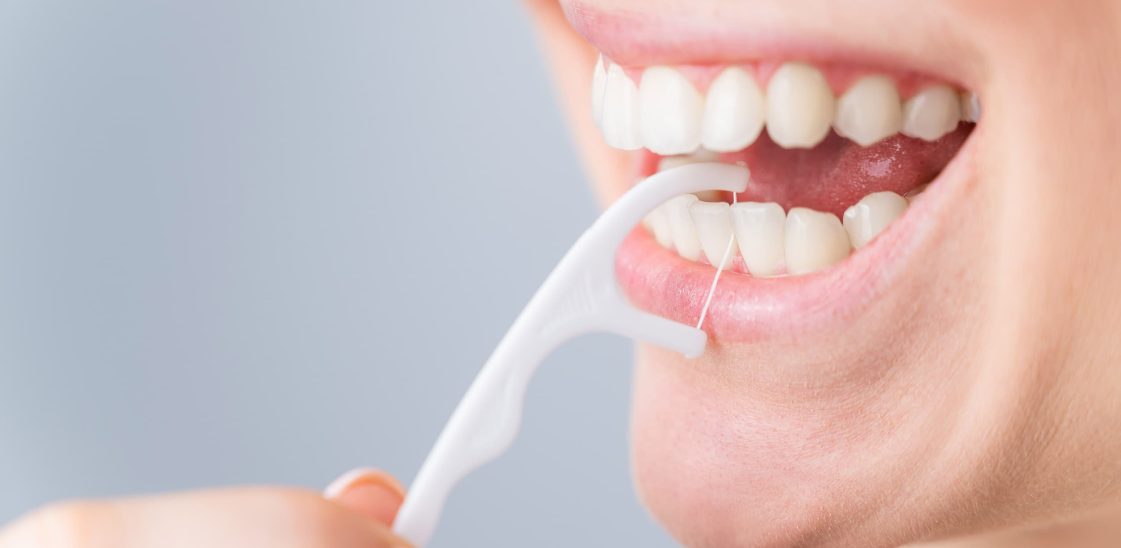
Dental Floss is primarily associated with removing interdental plaque that toothbrushes cannot fully reach. This area between teeth often becomes a micro-environment where biofilm accumulates over time.
From a structural biology perspective, Dental Floss disrupts bacterial colonies that adhere tightly to enamel surfaces. These colonies are often resistant to simple rinsing or brushing alone, which makes flossing an essential mechanical intervention.
Dental Floss also contributes to reducing food particle retention in interdental spaces. This mechanical clearance is not only cosmetic but also functional in maintaining oral ecosystem balance.
Another important aspect of Dental Floss is its role in minimizing anaerobic bacterial growth in tight interdental areas. These bacteria often thrive in low oxygen environments and contribute to unwanted oral conditions.
Dental Floss and Dental Floss Material Types and Structural Differences
Dental Floss is not a single uniform product; it comes in different structural variations that influence performance. Common types include waxed, unwaxed, PTFE-based, and multifilament nylon floss.
Waxed Dental Floss tends to glide more smoothly between tight contacts, while unwaxed variants offer slightly more friction, which some users prefer for plaque removal efficiency.
Type of Dental Floss | Key Feature | Typical Use Case |
Waxed Dental Floss | Smooth glide | Tight interdental spaces |
Unwaxed Dental Floss | Higher friction | Wider contact points |
PTFE Dental Floss | Ultra-thin texture | Extremely tight spaces |
Multifilament Dental Floss | Fiber expansion | General cleaning |
The structural behavior of Dental Floss under pressure is also an interesting engineering topic. As floss passes through contact points, it undergoes slight deformation that enhances surface contact with enamel.
This interaction increases the mechanical disruption of plaque layers, making Dental Floss more effective than static rinsing methods.
Dental Floss and Dental Floss in Daily Hygiene Routines
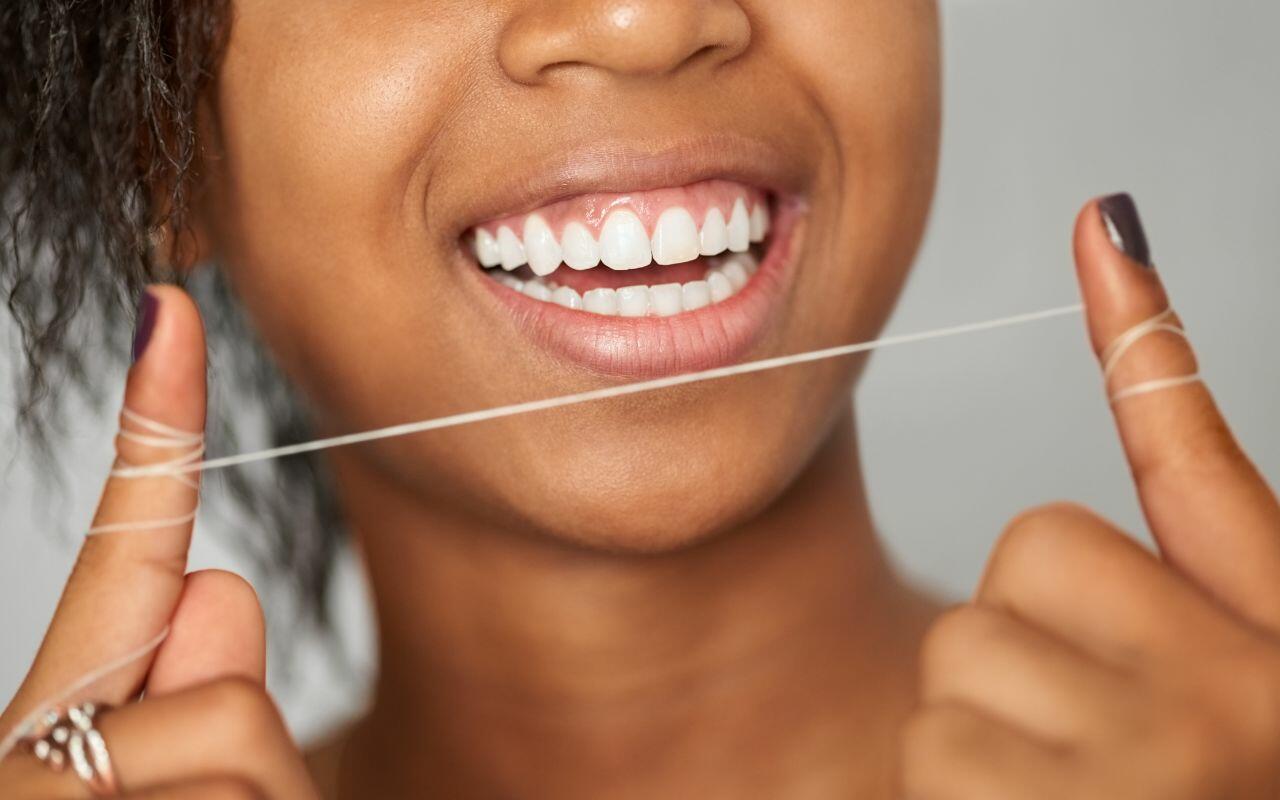
Integrating Dental Floss into daily routines is often discussed in behavioral hygiene research. People tend to prioritize brushing, while Dental Floss is sometimes overlooked due to time perception or habit formation challenges.
However, Dental Floss acts as a complementary tool that enhances overall oral cleanliness. When used consistently, it helps maintain interdental balance and reduces debris accumulation.
A simple routine model often includes:
- Brushing surfaces of teeth
- Using Dental Floss between interdental spaces
- Rinsing to remove loosened particles
- Optional tongue cleaning
The sequencing of Dental Floss usage can vary, but its inclusion significantly changes the final cleanliness outcome.
Behavioral studies suggest that once Dental Floss becomes a habitual action, users perceive their oral environment as noticeably cleaner and smoother.
Dental Floss and Dental Floss Mechanisms of Plaque Disruption
Dental Floss operates through a combination of mechanical scraping and biofilm fragmentation. Unlike brushing, which focuses on broad surfaces, flossing targets linear interdental zones.
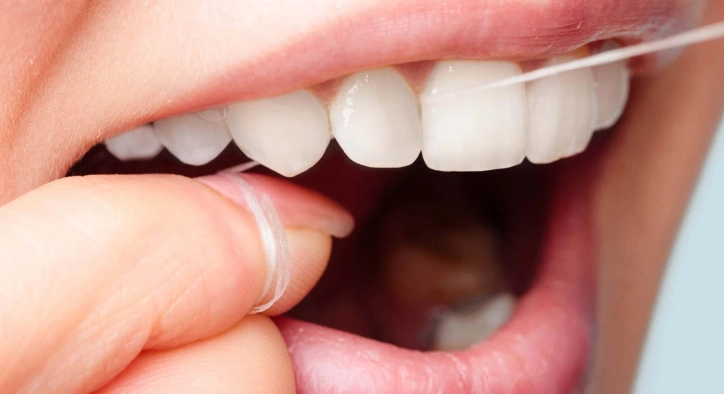
The effectiveness of Dental Floss depends on proper adaptation to tooth curvature and controlled movement. The floss must gently curve around each tooth surface to maximize contact area.
Biofilm disruption is a key concept here. Dental Floss does not simply remove debris, it breaks structured microbial layers that adhere to enamel surfaces.
Scientific observations suggest that repeated flossing in the same area improves removal efficiency over time due to reduced plaque adhesion strength.
For deeper understanding of oral biofilm systems, resources such as provide additional scientific context.
Dental Floss and Dental Floss Frequency and Usage Patterns
The frequency of Dental Floss usage is often discussed in oral hygiene behavior studies. While some individuals use it daily, others use it occasionally depending on dietary habits and comfort levels.
Dental Floss usage patterns can be categorized as follows:
- Daily users who integrate flossing into nighttime routines
- Occasional users who rely on situational cleaning
- Minimal users who only use Dental Floss when food gets trapped
Each pattern reflects different behavioral and sensory preferences.
Dental Floss is also influenced by tactile sensitivity. Some users initially find flossing uncomfortable, but adaptation typically occurs with repeated exposure.
Research suggests that consistency is more important than intensity when it comes to Dental Floss effectiveness.
Dental Floss and Dental Floss in Modern Dental Science
Modern dental science increasingly views Dental Floss as part of a broader preventive hygiene ecosystem. It is not an isolated tool but part of a multi-layered oral care strategy.
Dental Floss is often evaluated alongside interdental brushes and water-based cleaning systems. Each tool has different mechanical and hydrodynamic properties.
In comparative studies, Dental Floss shows particular effectiveness in tight contact zones where other tools may not fit.
Another interesting angle is the microbiological impact of Dental Floss on oral flora balance. While it does not eliminate bacteria entirely, it contributes to reducing excessive accumulation in specific zones.
For broader public dental recommendations, institutions like provide structured insights into interdental cleaning practices.
Dental Floss and Dental Floss Long-Term Oral Ecosystem Effects
Over time, Dental Floss contributes to maintaining a more stable oral ecosystem. This includes reduced plaque retention zones and more uniform surface cleanliness.
Long-term usage of Dental Floss is associated with improved interdental hygiene perception. Users often report smoother tooth surfaces and less debris accumulation.
Dental Floss also plays a role in shaping oral hygiene awareness. It encourages individuals to pay attention to spaces that are otherwise ignored during brushing.
From a systemic perspective, Dental Floss supports the idea that oral hygiene is not only about visible surfaces but also about hidden micro-spaces.
The Scientific and Practical Value of Dental Floss
Dental Floss represents a simple yet highly effective mechanical tool in oral hygiene. Its role goes beyond cleaning, extending into biofilm disruption, behavioral habit formation, and interdental ecosystem management.
When examined from both scientific and practical perspectives, Dental Floss demonstrates consistent value in maintaining oral cleanliness and supporting overall hygiene structure.
For Stamboul Clinic, understanding Dental Floss is not only about technique but also about appreciating its broader role in oral health systems.
About the Author