An uncomfortable tingling in the mouth can be surprisingly distracting, and Itchy Gums are one of those symptoms people often notice before they understand what may be going on. Sometimes the sensation appears near the gumline after eating, sometimes during allergy season, and sometimes while brushing or flossing. Although the feeling may seem minor at first, Itchy Gums can raise many questions about oral hygiene, gum sensitivity, inflammation, and general health.
At Stamboul Clinic, we believe oral symptoms deserve thoughtful explanation, not alarmist language. Itchy Gums are not a diagnosis on their own. They are better understood as a clue. In many cases, that clue points toward irritation, plaque buildup, dryness, allergies, or an early change in gum condition. In other situations, the sensation may be connected to habits, dental appliances, or even the body’s broader immune response.
İçindekiler
- Understanding Itchy Gums: What the Sensation May Mean
- Plaque, Bacteria, and Early Gum Irritation
- Allergies, Immune Responses, and Oral Sensitivity
- Dry Mouth, Dehydration, and Changes in the Oral Environment
- Hormones, Dental Appliances, and Everyday Triggers
- Could Itchy Gums Be Linked to Gum Disease?
- How Oral Clues Help Interpret Gum Discomfort
- A Scientific but Sensible Take on What Causes Gum Itching
- Why Itchy Gums Deserve Attention Without Panic
Understanding Itchy Gums: What the Sensation May Mean
The gums are rich in blood vessels and nerve endings, which makes them highly responsive to change. When the tissue becomes irritated, inflamed, dry, or exposed to an allergen, people may describe the feeling as tingling, crawling, prickling, or simply Itchy Gums. This symptom can affect a small area between two teeth or spread across the upper or lower arch.
Unlike sharp pain, itching often suggests a milder but still noticeable biological response. Inflammation, histamine release, friction, and bacterial activity may all play a role. That is why Itchy Gums are sometimes discussed in relation to gingival irritation, early gum inflammation, oral hypersensitivity, and plaque-induced tissue reaction.
The sensation can also be deceptive. What feels like gum itching may occasionally be linked to nearby tissues such as the palate, inner cheeks, or the roots of the teeth. From a clinical perspective, context matters. Is the itching constant or occasional? Is there bleeding, swelling, dryness, or bad breath? Did it begin after a new toothpaste, orthodontic adjustment, or seasonal allergy flare? These surrounding details often help explain why Itchy Gums develop.
Another important point is timing. If the sensation appears mainly after meals, oral allergy or food irritation may be worth considering. If it becomes more noticeable during brushing, local inflammation or technique-related friction could be involved. If it is paired with morning dryness, mouth breathing or reduced saliva may be relevant. In short, Itchy Gums are best interpreted as part of a larger pattern rather than as an isolated event.
Plaque, Bacteria, and Early Gum Irritation
One of the most common explanations for gum itching is the presence of plaque. Plaque is a sticky biofilm made of bacteria, food particles, and salivary proteins that constantly forms on teeth. When plaque accumulates near the gumline, it can trigger a local immune response. That response may begin subtly, and Itchy Gums can be one of the earliest sensations a person notices.
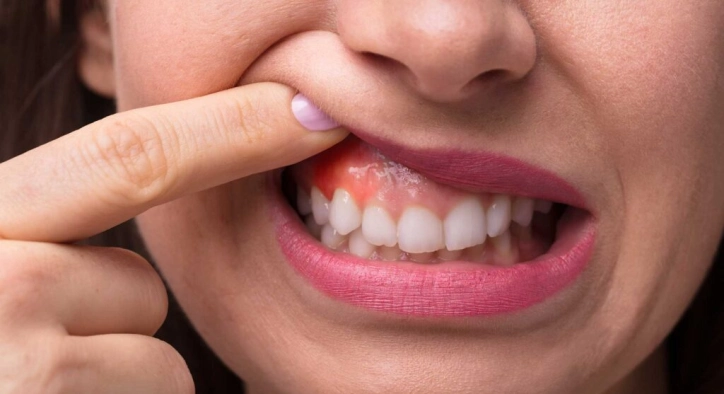
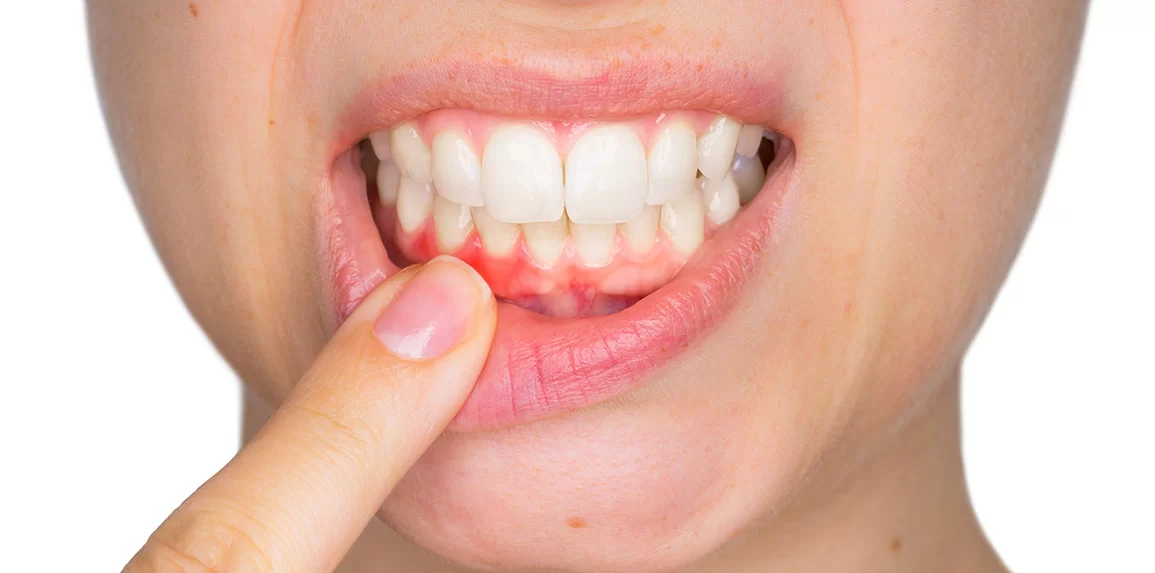
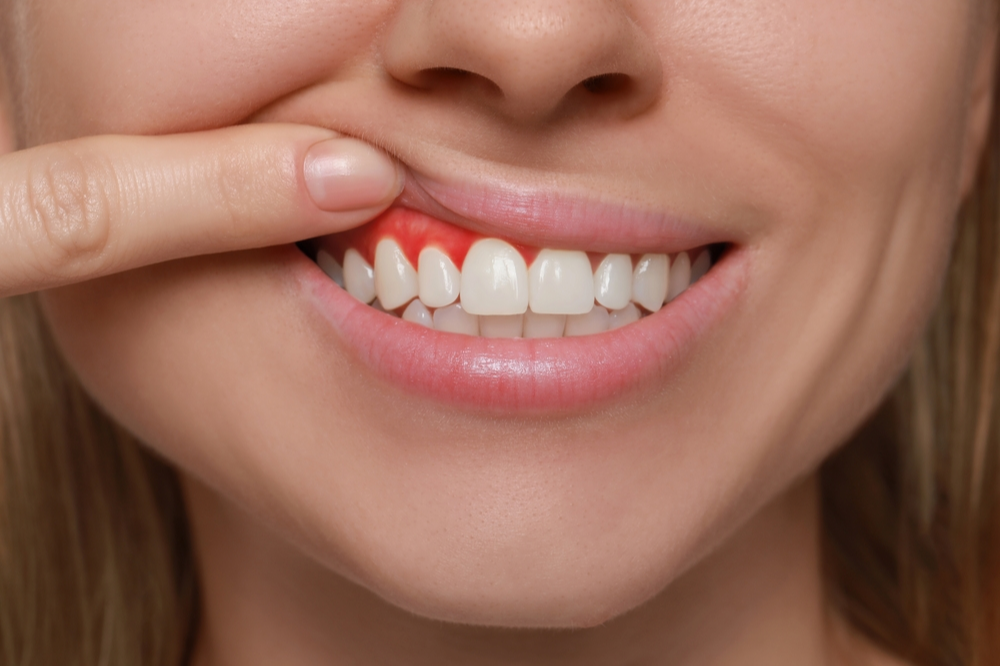
In the first stage of gum irritation, the tissue may look slightly redder than usual or feel different during brushing. It may not hurt. In fact, many people with Itchy Gums are surprised to learn that mild inflammation can be present even without strong pain. The body reacts to bacterial byproducts, and the gum tissue becomes more sensitive.
Research on gingival inflammation has consistently shown that bacterial buildup influences the health of soft tissue around the teeth. The process is not dramatic at first. It is gradual, almost quiet. That is partly why itching can precede more recognizable symptoms such as puffiness or bleeding. For some people, Itchy Gums are the first whisper of what may later become more obvious gingival discomfort.
Below is a simple overview of how different oral conditions may relate to the sensation:
Possible factor | How it may relate to gum itching | Other signs that may appear |
Plaque buildup | Triggers local irritation near gumline | Redness, mild bleeding, bad breath |
Dry mouth | Reduces protective saliva and increases sensitivity | Sticky mouth, thirst, rough tongue |
Allergic reaction | Histamine response may create tingling or itch | Lip tingling, palate itch, sneezing |
Braces or appliances | Friction or trapped debris may irritate tissue | Soreness, localized swelling |
Hormonal changes | May increase gum sensitivity and tissue reactivity | Tenderness, swelling |
Tooth eruption or pressure | Surrounding tissue may feel tight or itchy | Gum fullness, localized discomfort |
This does not mean plaque is always the reason, but it remains one of the leading explanations when Itchy Gums occur repeatedly around the teeth.
Allergies, Immune Responses, and Oral Sensitivity
Some cases of gum itching are linked less to bacteria and more to the immune system. Seasonal allergies, food sensitivities, and contact reactions can all create oral sensations that people describe as Itchy Gums. In these scenarios, the body releases inflammatory chemicals such as histamine, which can affect the gums, lips, tongue, and roof of the mouth.
Fresh fruits, raw vegetables, certain nuts, flavoring agents, and oral care products are frequently discussed in relation to oral sensitivity. A person may notice Itchy Gums shortly after eating a specific food or after switching toothpaste or mouthwash. Cinnamon flavoring, strong whitening agents, and certain preservatives can sometimes irritate sensitive mouths.
Allergy-related gum itching may feel different from plaque-related irritation. It often appears more suddenly. It can also be accompanied by itching in the throat, palate, or ears. For some individuals, Itchy Gums may be part of a broader pattern during pollen season, when oral tissues become more reactive. This is one reason dentists and clinicians often look beyond the mouth itself and ask about timing, diet, and environmental exposure.
Interestingly, oral tissues act almost like small biological sensors. They respond quickly to external substances, especially when the tissue barrier is already sensitive. So while Itchy Gums may seem like a tiny symptom, they can reflect a dynamic interaction between the oral environment and the immune system.
Dry Mouth, Dehydration, and Changes in the Oral Environment
Saliva does far more than people usually realize. It helps control bacterial balance, lubricates tissues, buffers acids, and supports comfort during eating and speaking. When saliva flow decreases, the gums may feel more vulnerable. In that setting, Itchy Gums can develop as part of a dry, irritated oral environment.
Dry mouth may be influenced by hydration status, mouth breathing, stress, certain medications, sleep habits, or indoor air conditions. The gums may not just feel itchy; they may also feel tacky or slightly rough. Some people notice the sensation more at night or first thing in the morning. In these cases, Itchy Gums may not be about infection at all but about reduced moisture and tissue resilience.
There is also a mechanical aspect to dryness. Without enough saliva, ordinary activities such as talking, swallowing, or wearing aligners can create more friction. This small increase in friction may make the gum tissue feel irritated. The result is often a low-level sensory complaint rather than severe discomfort. That is why Itchy Gums are sometimes reported alongside bad breath, a coated tongue, or a persistent feeling of thirst.
From a scientific standpoint, saliva is part of the mouth’s protective ecosystem. When that ecosystem shifts, the soft tissues often react quickly. Gum itching in a dry mouth context is less like an emergency alarm and more like the tissue saying, “Conditions here have changed.”
Hormones, Dental Appliances, and Everyday Triggers
The mouth responds to internal and external changes with remarkable sensitivity. Hormonal fluctuations are one example. During puberty, menstruation, pregnancy, or menopause, gum tissue may become more reactive to plaque and inflammation. In these moments, Itchy Gums can appear alongside tenderness or swelling, even if oral hygiene habits have not changed dramatically.
Dental appliances can also play a role. Braces, retainers, aligners, dentures, and even certain restorative materials may contribute to local irritation. Sometimes the issue is direct friction. Sometimes debris becomes trapped more easily around appliances, increasing bacterial activity near the gums. For a patient wearing orthodontic hardware, Itchy Gums may reflect both mechanical and biological factors at once.
Lifestyle habits matter too. Vigorous brushing, abrasive products, tobacco exposure, and frequent acidic foods may influence the gumline. The tissue does not always react with pain first. It may react with sensitivity, tingling, or Itchy Gums. That makes the symptom easy to dismiss, even though it can be an early sign that the mouth is under stress.
The following everyday triggers are often discussed in relation to gum irritation:
- New toothpaste or whitening product
- Orthodontic adjustments
- Mouth breathing during sleep
- Increased pollen exposure
- Inconsistent plaque removal
- Changes in hormones
- Spicy, acidic, or highly textured foods
Each factor affects the oral environment differently, but all may contribute to the feeling of Itchy Gums in susceptible individuals.
Could Itchy Gums Be Linked to Gum Disease?
This is one of the most common questions, and it deserves a balanced answer. Itchy Gums may sometimes be associated with early gum disease, particularly gingivitis, but the symptom alone does not confirm it. Gum disease usually involves a broader pattern that may include redness, swelling, bleeding during brushing, persistent bad breath, or gum recession over time.
Gingivitis begins when plaque accumulates and the gums become inflamed. Because this stage may be mild, some people notice a strange itching or tingling before they notice anything else. In that sense, Itchy Gums can be part of the story. However, they are not the whole story. The presence, duration, and combination of symptoms matter more than one sensation by itself.
More advanced periodontal conditions typically involve deeper tissue changes and are often discussed in relation to bone support, gum attachment, and chronic inflammation. In these scenarios, itching is not usually the defining symptom. It may occur, but clinicians are more likely to focus on bleeding, pocket formation, tooth mobility, or recession. So while Itchy Gums may point toward early irritation, they are not a reliable stand-alone marker of disease severity.
A useful way to think about it is this: gum itching may be an opening sentence, not the entire chapter. It suggests that the tissues are reacting to something, and the surrounding signs help explain what that “something” may be.
How Oral Clues Help Interpret Gum Discomfort
The mouth tends to give layered clues rather than simple messages. If Itchy Gums appear with visible redness, plaque-related irritation may be more likely. If they appear with palate itching after raw fruit, oral allergy may deserve attention. If the sensation is strongest in the morning with dryness, the oral environment itself may be central.
Clinicians often interpret symptoms by pattern recognition. They consider duration, location, symmetry, triggers, and associated signs. Are the Itchy Gums localized to one area or spread throughout the mouth? Is there a new restoration nearby? Is the tissue ulcerated, swollen, or simply sensitive? Has the person recently changed diet, medication, or oral care products? These questions matter because similar sensations can arise from different pathways.
This is also where oral self-observation becomes surprisingly valuable. Not in the sense of self-diagnosis, but in noticing patterns. The gums are living tissue, and they respond to routines, seasons, products, and habits. Itchy Gums that occur after one specific food tell a different story than gum itching that builds gradually over weeks.
From an NLP-friendly perspective, the key entities connected to Itchy Gums include gum inflammation, plaque, gingivitis, oral allergy, dry mouth, dental appliances, hormonal changes, and gum sensitivity. Understanding these relationships makes the topic easier to navigate and easier for readers to connect with their own experience.
A Scientific but Sensible Take on What Causes Gum Itching
Science rarely rewards oversimplification, and Itchy Gums are a perfect example. There is no single universal cause. Instead, gum itching usually emerges from an interaction between tissue sensitivity and a trigger. That trigger may be microbial, mechanical, chemical, immunological, or environmental.
Studies in oral health repeatedly support a core idea: the gums are responsive tissues influenced by biofilm, immune behavior, saliva balance, and local irritation. This means Itchy Gums are best understood through systems, not isolated assumptions. A person with seasonal allergies and mild plaque accumulation may experience gum itching for more than one reason at the same time.
That layered interpretation is important because it encourages nuance. Not every itch suggests something serious. Not every mild symptom should be ignored either. In oral health, subtle signs often reflect the earliest phase of change. And among those subtle signs, Itchy Gums are particularly interesting because they sit at the intersection of sensation, inflammation, and environment.
At Stamboul Clinic, we see patient education as part of high-quality care. A symptom like Itchy Gums may sound simple, but the biology behind it is surprisingly rich. The more clearly people understand the possible causes, the easier it becomes to make sense of what the mouth may be communicating.
Why Itchy Gums Deserve Attention Without Panic
Itchy Gums can be mildly annoying, oddly specific, and easy to underestimate. Yet they often reveal something meaningful about the condition of the oral tissues. They may be linked to plaque, early gum irritation, dryness, allergies, hormones, or everyday triggers such as products and appliances. The sensation is not a final answer, but it is often a useful starting point.
The most helpful perspective is neither dismissive nor dramatic. Itchy Gums are not automatically a sign of major disease, but they are a signal worth understanding in context. When readers know how gum itching relates to inflammation, saliva, immune responses, and local irritants, the symptom becomes less mysterious and more interpretable.
Stamboul Clinic supports evidence-aware, reader-friendly dental education that respects both science and common sense. If there is one takeaway from this guide, it is that Itchy Gums are best seen as a conversation starter between the body and the observer. And sometimes, the mouth begins that conversation with nothing more than an itch.
About the Author