is a subtle yet scientifically intriguing phenomenon that often begins quietly long before a person notices any visible change in their smile. In dental literature, it is frequently associated with microscopic movements of teeth within the periodontal framework, influenced by biological, mechanical, and environmental factors. At Stamboul Clinic, this topic is approached not as a simple cosmetic issue but as a dynamic process reflecting the adaptability of the human oral structure. The concept of invites questions about why teeth move over time, how early signs can be interpreted, and what these changes might reveal about overall dental balance.
Unlike sudden dental changes, tends to develop gradually, almost like a slow geological drift. Researchers often compare it to low-intensity forces acting continuously within a confined system. This makes it both fascinating and easy to overlook until alignment differences become noticeable in everyday functions such as biting or spacing.
İçindekiler
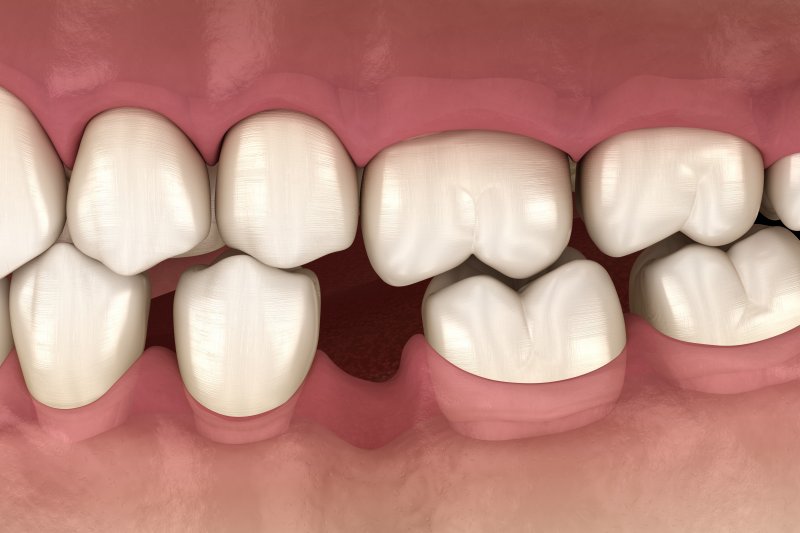
Biological Foundations and Micro-Movements
begins at a microscopic level, where periodontal ligaments respond to constant pressure and biological turnover. These tissues are not static; they remodel continuously, allowing teeth to adapt slightly within their sockets. In academic discussions, is often described as a natural expression of dental adaptability rather than an abnormal event.
Within the oral environment, bone tissue is also in a state of renewal. This dynamic equilibrium means that even without external forces, can occur gradually due to internal biological rhythms. These micro-movements are usually imperceptible but accumulate over time, contributing to visible alignment changes.
Another key factor is the balance between stability and flexibility. Teeth are designed to withstand pressure, yet they are also meant to respond to it. This duality is what makes a subject of ongoing interest in dental biomechanics. Studies referenced by organizations such as the American Association of Orthodontists highlight how even minimal pressure variations can influence long-term positioning.
Early Signs and Subtle Indicators
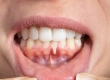
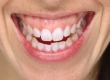
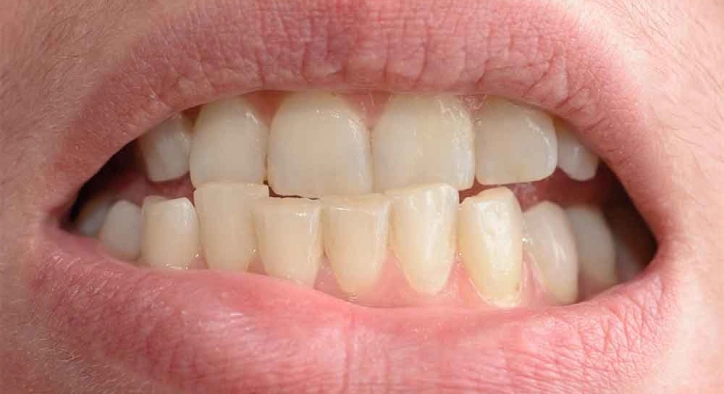
Detecting early often relies on noticing small irregularities rather than obvious changes. One of the most commonly discussed indicators is slight spacing variation between teeth. These gaps may appear or disappear subtly, reflecting the ongoing nature of processes.
Another indicator involves bite perception. Individuals may begin to feel that their upper and lower teeth no longer align exactly as they used to. This altered sensation is frequently associated with progressive Teeth Shifting:, even when no visual changes are immediately obvious.
A third subtle sign is uneven wear patterns. When teeth shift microscopically, contact points change, leading to different pressure distributions. Over time, this can reflect the presence of even before structural changes become visible.
Interestingly, these indicators are often inconsistent, appearing intermittently rather than constantly. This irregularity contributes to why is frequently detected later than expected in many observational studies.
Causes Behind Dental Migration
The causes of are multifactorial, involving both biological and environmental influences. One widely discussed factor is natural aging. As bone density and tissue elasticity evolve, may occur gradually as part of systemic adaptation.
Another contributing factor is pressure distribution within the mouth. Everyday activities such as chewing, speaking, and even resting tongue posture can create small but persistent forces. Over time, these forces contribute to in different directions depending on individual habits.
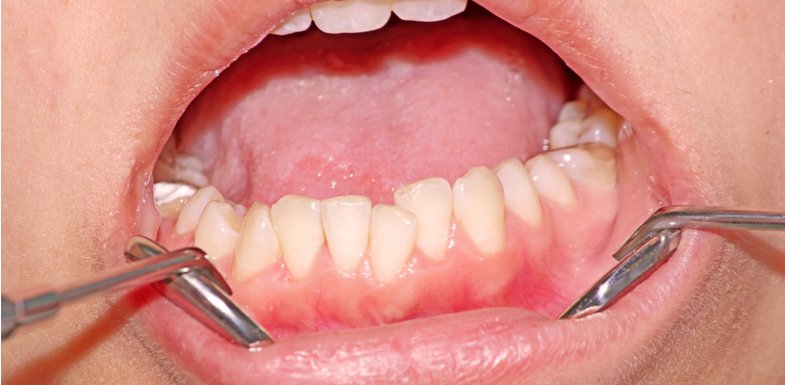
Genetic predisposition also plays a role. Some individuals have naturally more flexible periodontal structures, making them more susceptible to over long periods. This variability explains why dental alignment stability differs significantly between individuals.
Below is a simplified breakdown of commonly associated factors:
Factor Category | Influence on Teeth Shifting |
Biological aging | Gradual structural adaptation |
Mechanical forces | Continuous pressure changes |
Genetic traits | Variability in stability |
Oral habits | Directional movement influence |
Each of these categories interacts with others, creating a complex system where emerges as a combined result rather than a single cause.
Structural Consequences in the Oral Cavity
When progresses over time, it can lead to noticeable structural reorganization within the dental arch. This does not always imply dysfunction but rather reflects the adaptive nature of oral anatomy.
One of the most discussed consequences is arch compression or expansion. Depending on the direction of Teeth Shifting:, spacing between teeth may either decrease or increase, altering the overall symmetry of the smile line.
Another consequence involves contact point redistribution. As modifies positioning, teeth may begin to interact differently during functional movements. This can create new patterns of alignment that were not previously present.
In some analytical models, researchers suggest that may even influence temporomandibular joint dynamics indirectly, though these interpretations remain part of ongoing academic debate rather than definitive conclusions.
It is also important to note that structural changes are rarely linear. Instead, tends to occur in phases, with periods of stability followed by gradual movement, resembling patterns observed in other biological remodeling systems.
Diagnostic Approaches and Clinical Observations
From a clinical perspective, is often evaluated through comparative imaging and long-term observational records. Dental professionals may compare historical records to identify subtle positional differences that indicate over time.
One commonly used method is digital scanning, which allows precise mapping of tooth positions. By overlaying scans from different time periods, even minimal can be detected with high accuracy.
Photographic documentation is another important tool. When images are taken under consistent conditions, progressive becomes easier to analyze visually. This method is particularly useful in longitudinal studies.
A simplified comparison of diagnostic tools:
- Digital 3D scanning for high precision mapping
- Sequential photographic analysis for visual comparison
- Bite analysis records to track functional changes
- Historical dental models for structural reference
Each of these approaches contributes to a broader understanding of Teeth Shifting:, especially when multiple data points are combined over time.
Modern Interpretations in Dental Research
In contemporary dental research, is no longer viewed as a purely mechanical event but rather as a biological adaptation influenced by multiple systems. This perspective aligns with broader scientific views of the human body as a continuously adjusting organism.
Recent studies emphasize that may be influenced by neuromuscular coordination as much as by physical forces. This introduces a more complex interpretation where muscle activity and posture play indirect roles.
At institutions like Stamboul Clinic, discussions around often highlight its relevance in long-term oral stability research. Rather than treating it as an isolated condition, it is increasingly considered part of a broader continuum of dental evolution.
Some researchers even propose that could serve as a subtle indicator of systemic changes in craniofacial development, though this remains a developing hypothesis within the field.
The study of reveals a layered and continuously evolving process that reflects both biological adaptability and environmental influence. From microscopic ligament activity to broader structural changes, represents a dynamic balance rather than a fixed condition.
Within modern dentistry, understanding is less about identifying a single cause and more about interpreting a network of interacting factors. This makes it a subject that continues to attract attention in both clinical practice and academic research, particularly in institutions focused on long-term dental stability such as Stamboul Clinic.
About the Author